ADHD time management: tools and techniques that hold up
ADHD time management techniques grouped by the problem they solve: seeing time, starting, estimating, stopping, and reviewing, with a tool type for each.
Read →ADHD makes time hard to feel and plans hard to keep. These pieces cover what time blindness actually is, why most planner apps get abandoned in week three, and what changes when the day is a shape you can see rather than a list you have to remember.
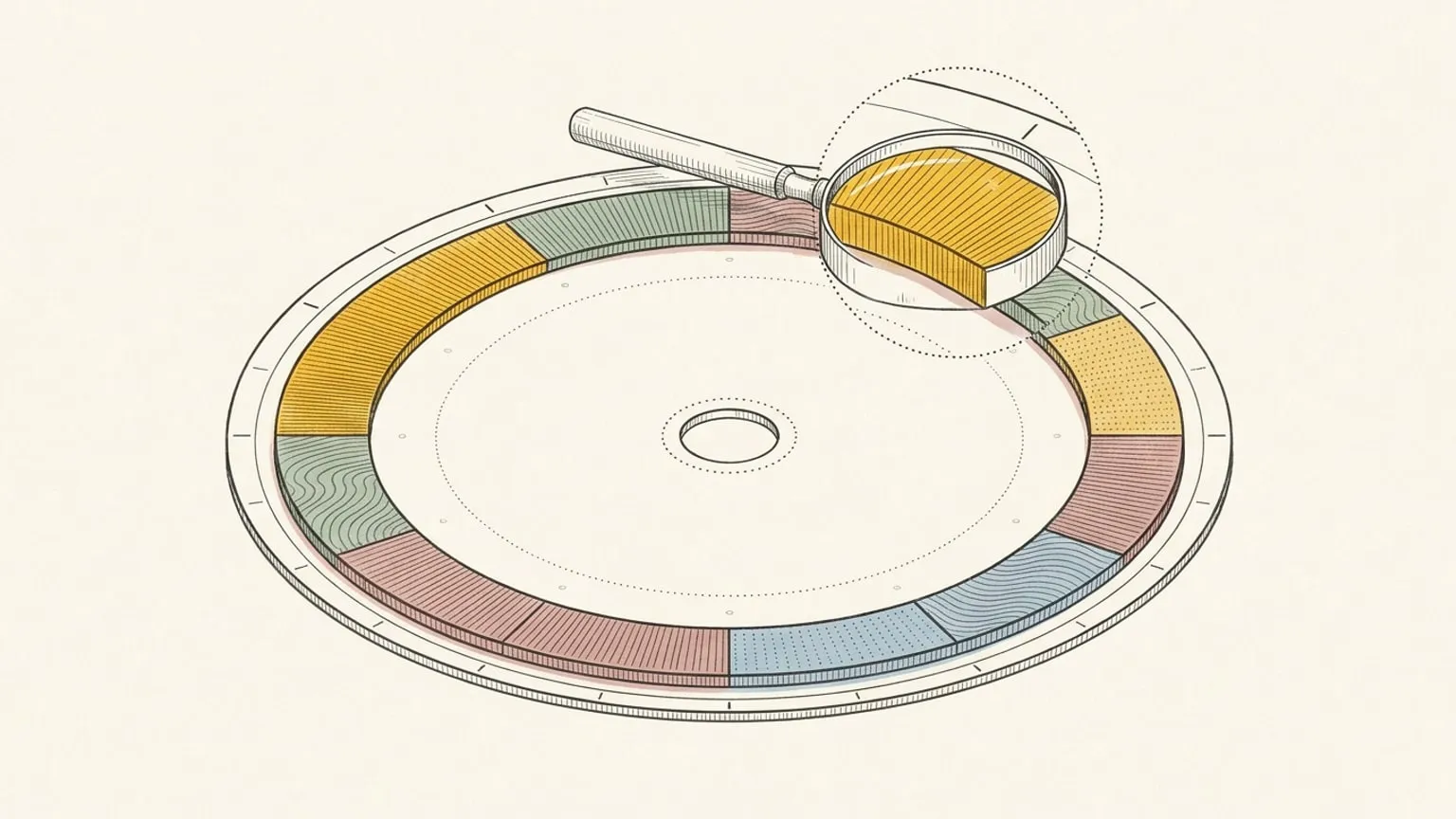
ADHD time management techniques grouped by the problem they solve: seeing time, starting, estimating, stopping, and reviewing, with a tool type for each.
Read →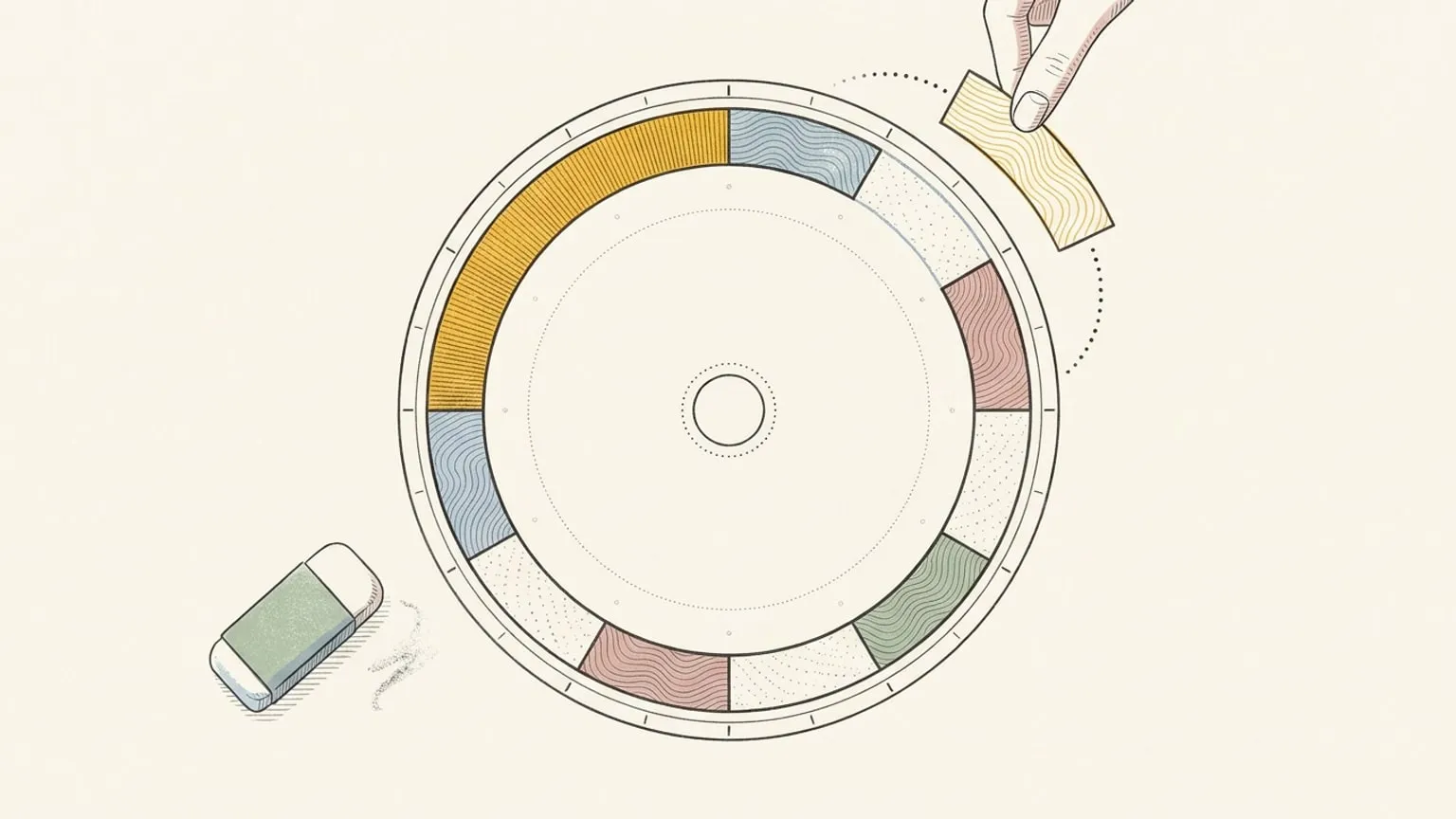
Plan your study week in six steps: fixed commitments first, honest block sizes, one protected deep block, hard work at your peak, buffer, and a restart rule.
Read →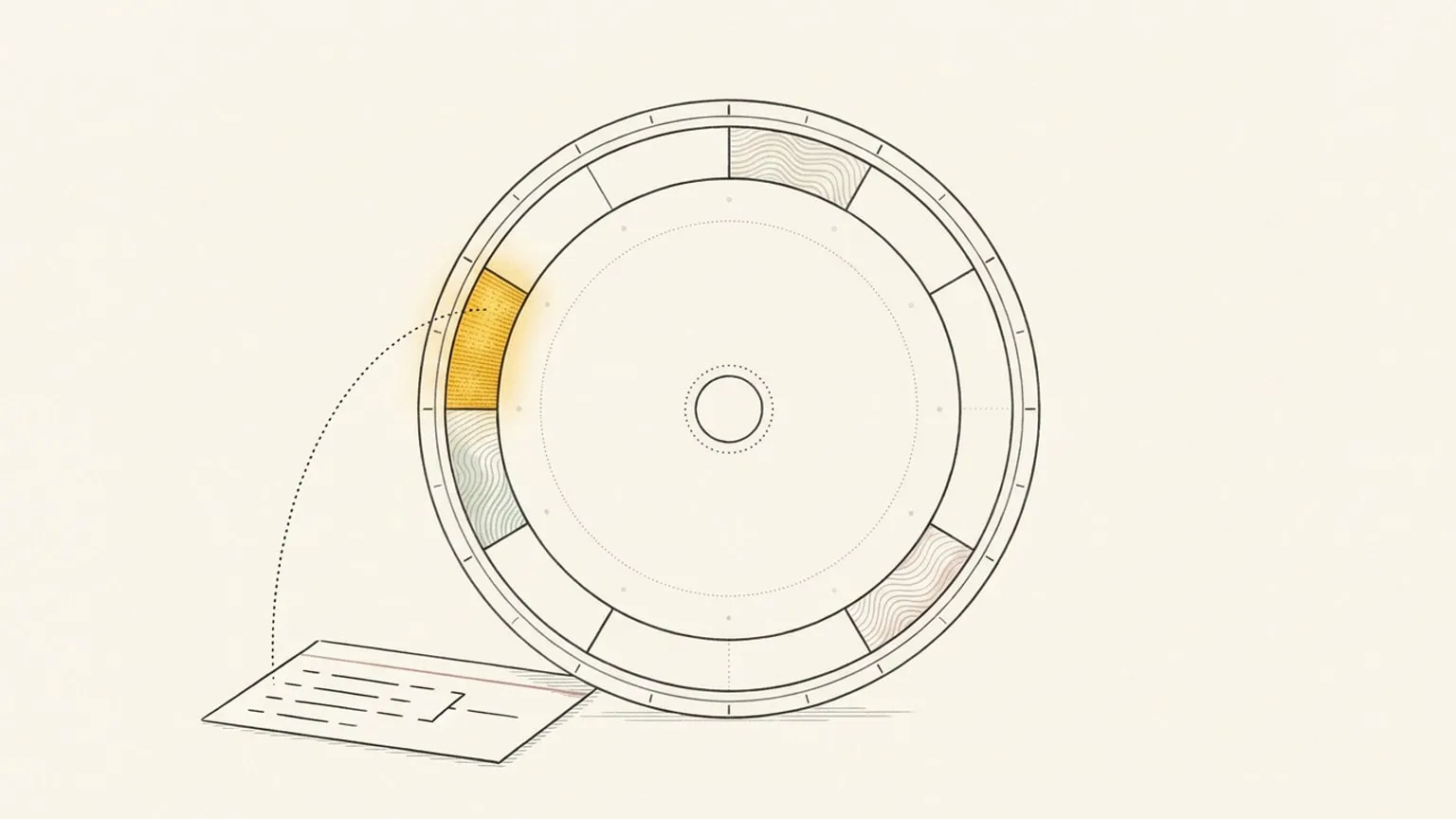
An honest Llama Life alternative, from someone who built one. Where the one-task timer wins, where a 24-hour dial wins, and how to tell which one you need.
Read →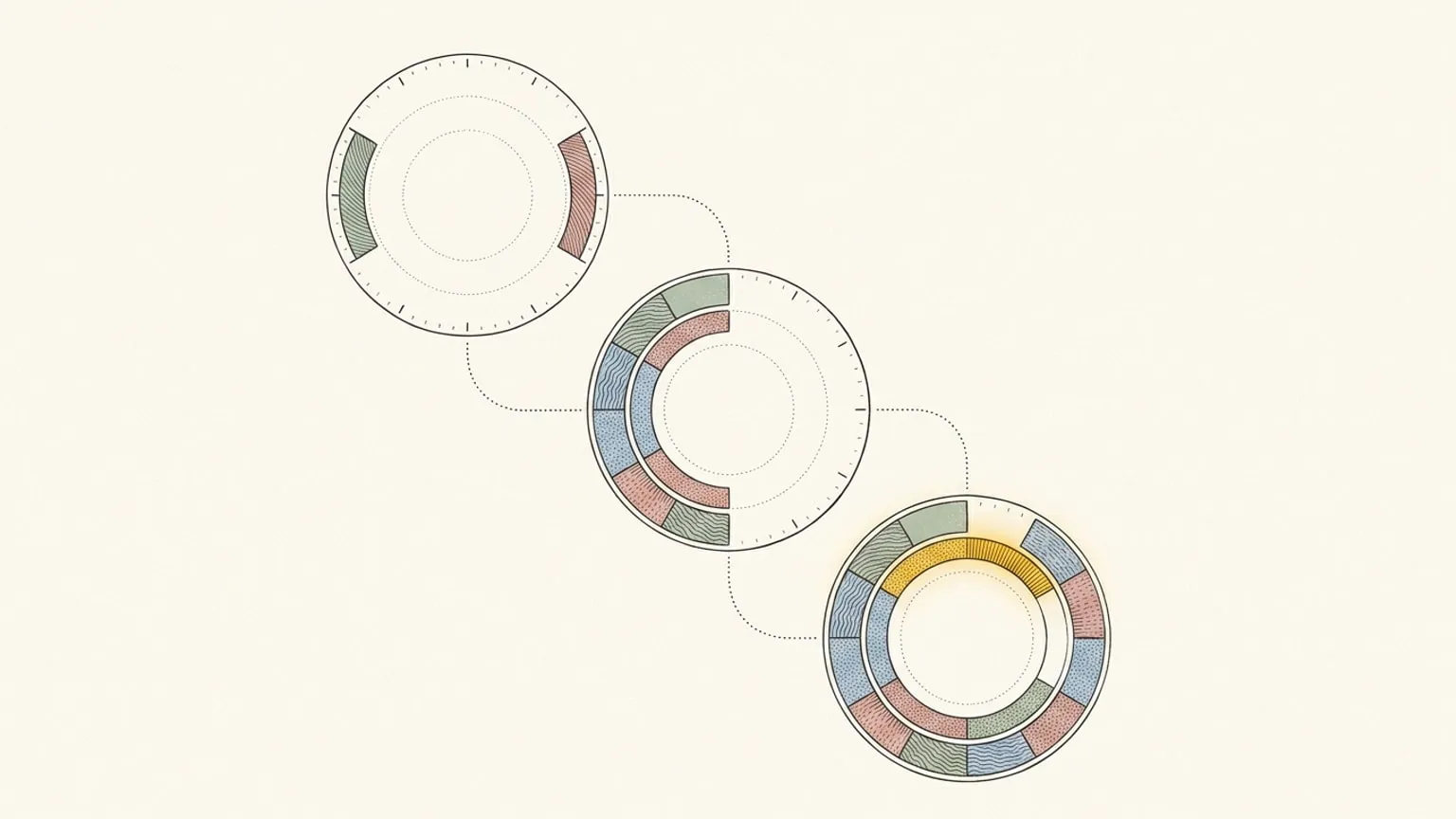
Your study timetable is built for the ideal week, and a term has three kinds of week. Why study schedules fail, and how to plan one that survives a missed day.
Read →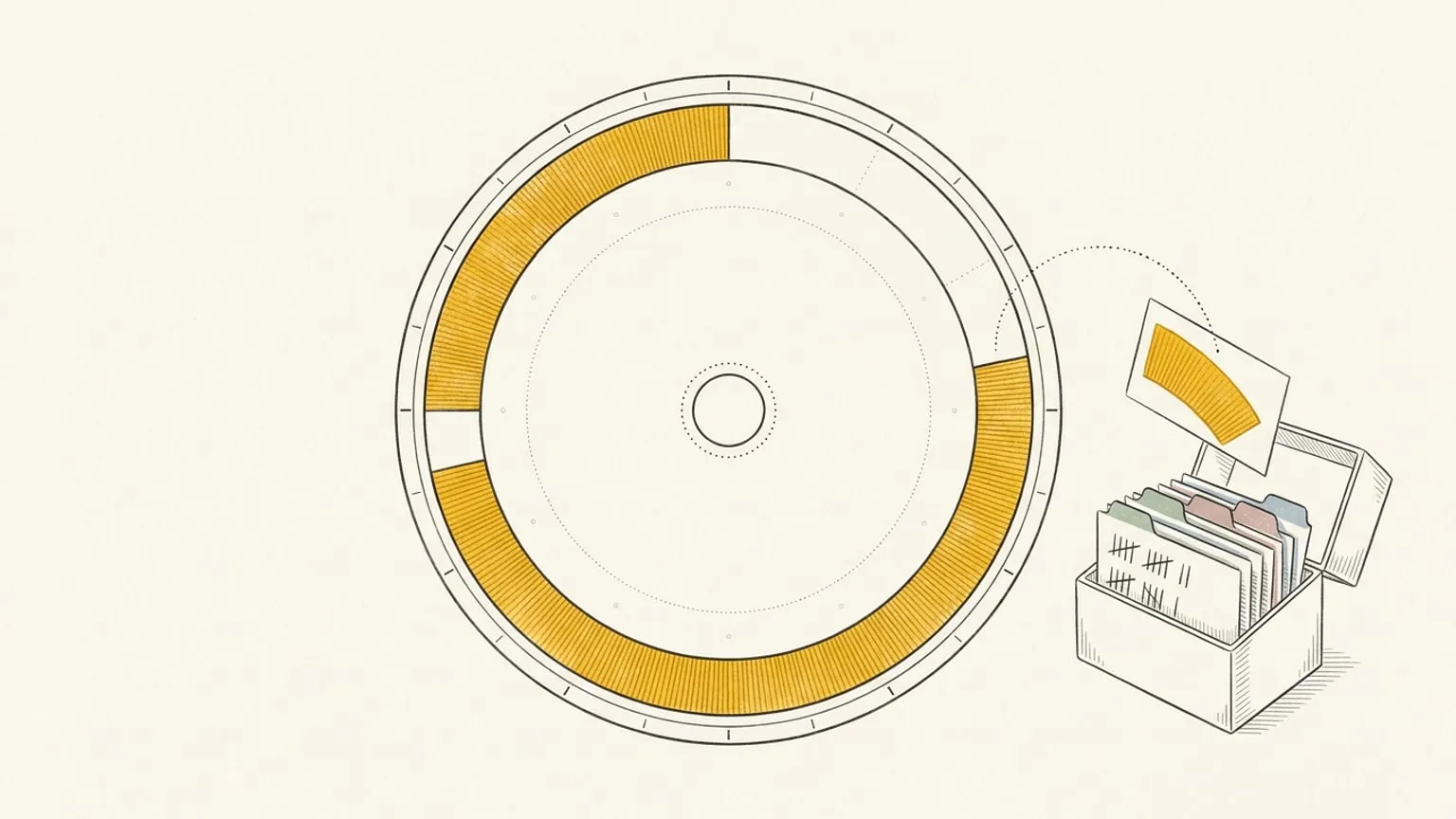
Compare TickTick with Reassign's 24-hour circular day planner. See the prices, calendar and focus tradeoffs, and how to keep TickTick with two-way sync.
Read →
A late ADHD body clock can move earlier with a fixed wake time, morning light, and regular cues. What the research tested, what it did not, and how to keep it.
Read →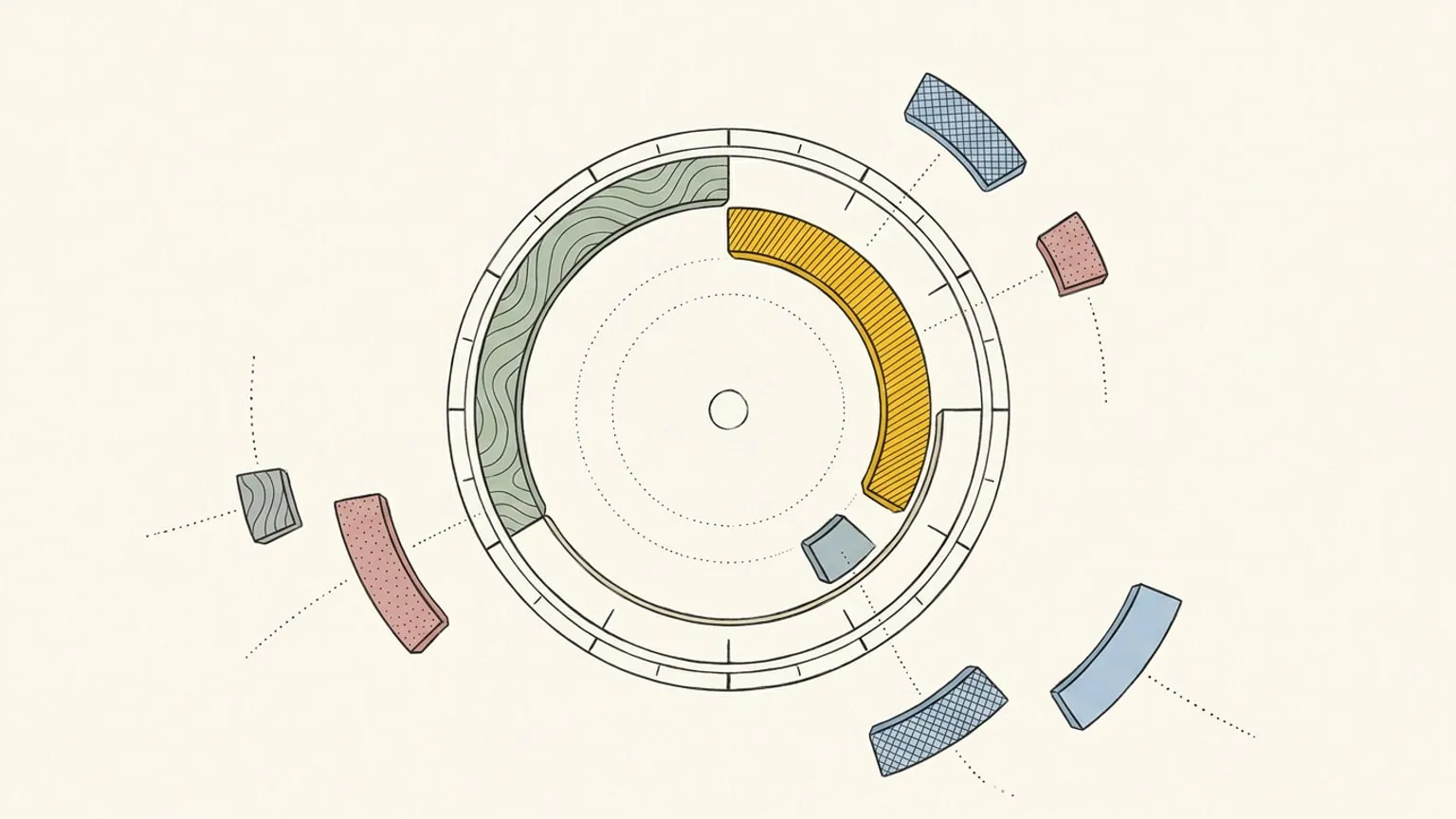
Compare 11 time blocking apps for ADHD by planning style, free limits, price, and rescheduling. Find a shortlist and a practical test for your next trial.
Read →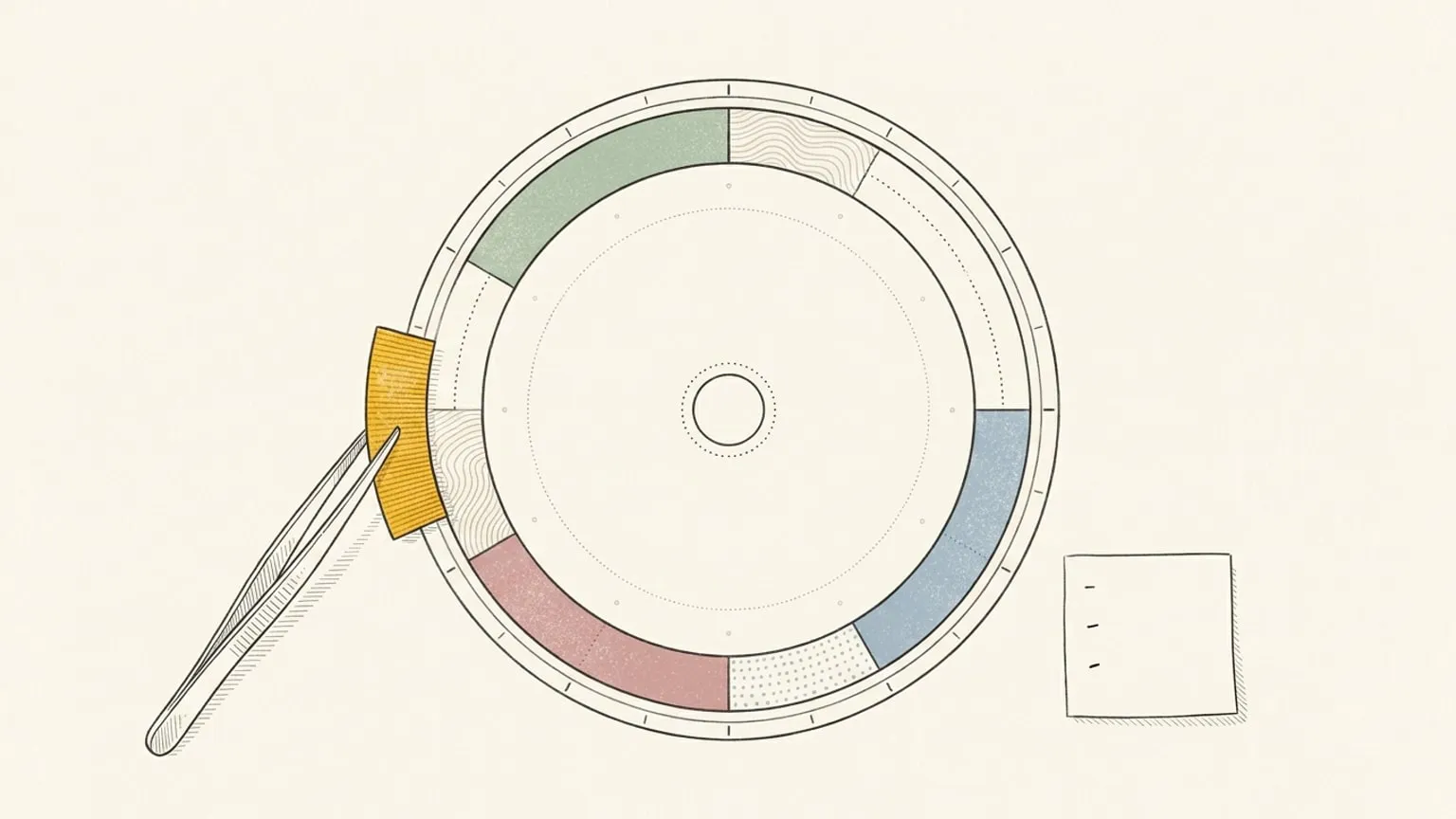
Plan your day with ADHD using six flexible steps, a sample schedule, and a simple way to recover when tasks run late. Start on paper, with room to change.
Read →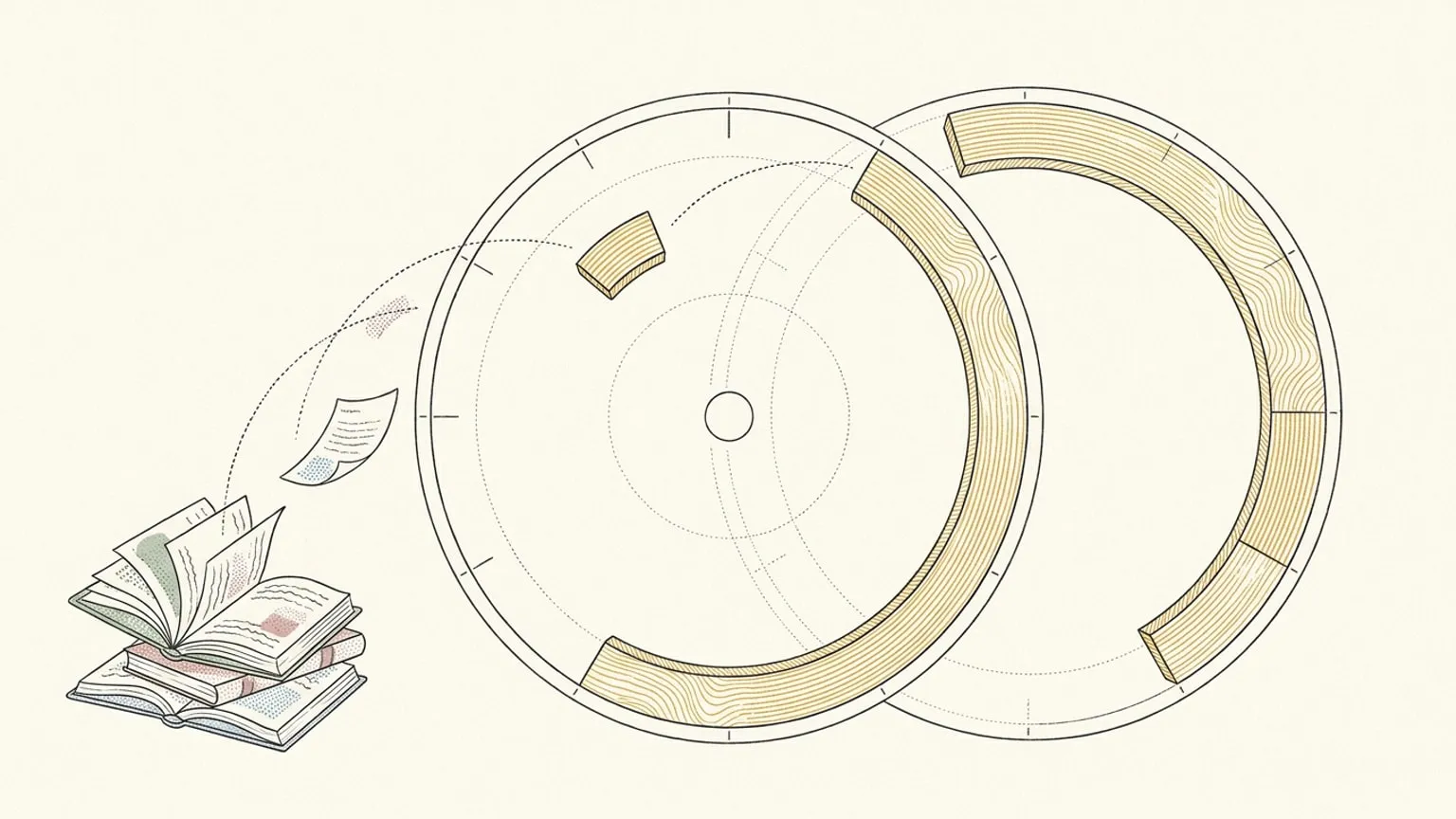
Choose an ADHD student planner that makes time visible. Compare paper, calendar, and dial options, see what is free, and build a plan you can keep adjusting.
Read →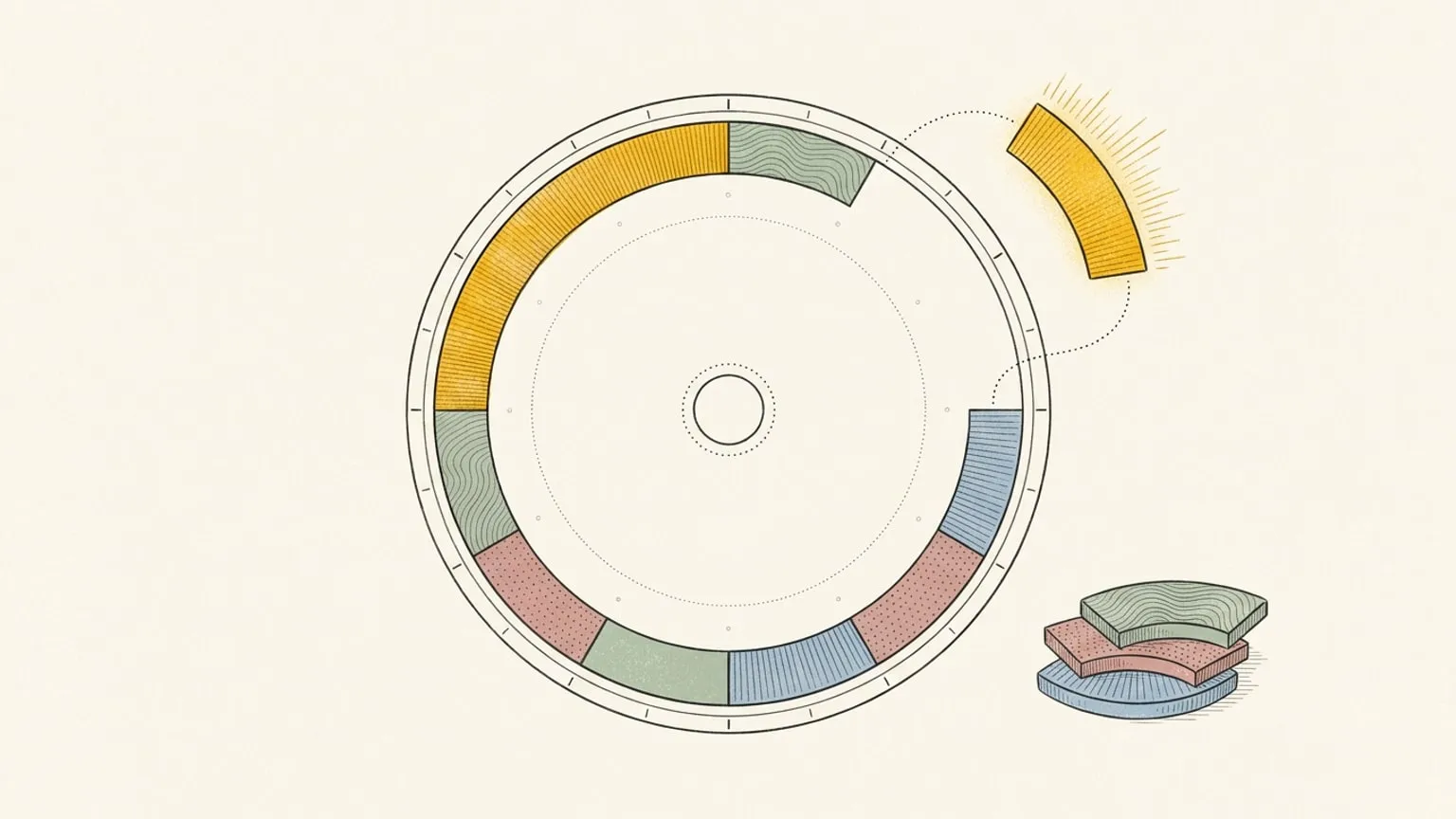
Managing time blindness in college? Build study blocks around classes, break assignments into dated steps, and try a worked schedule with room for delays.
Read →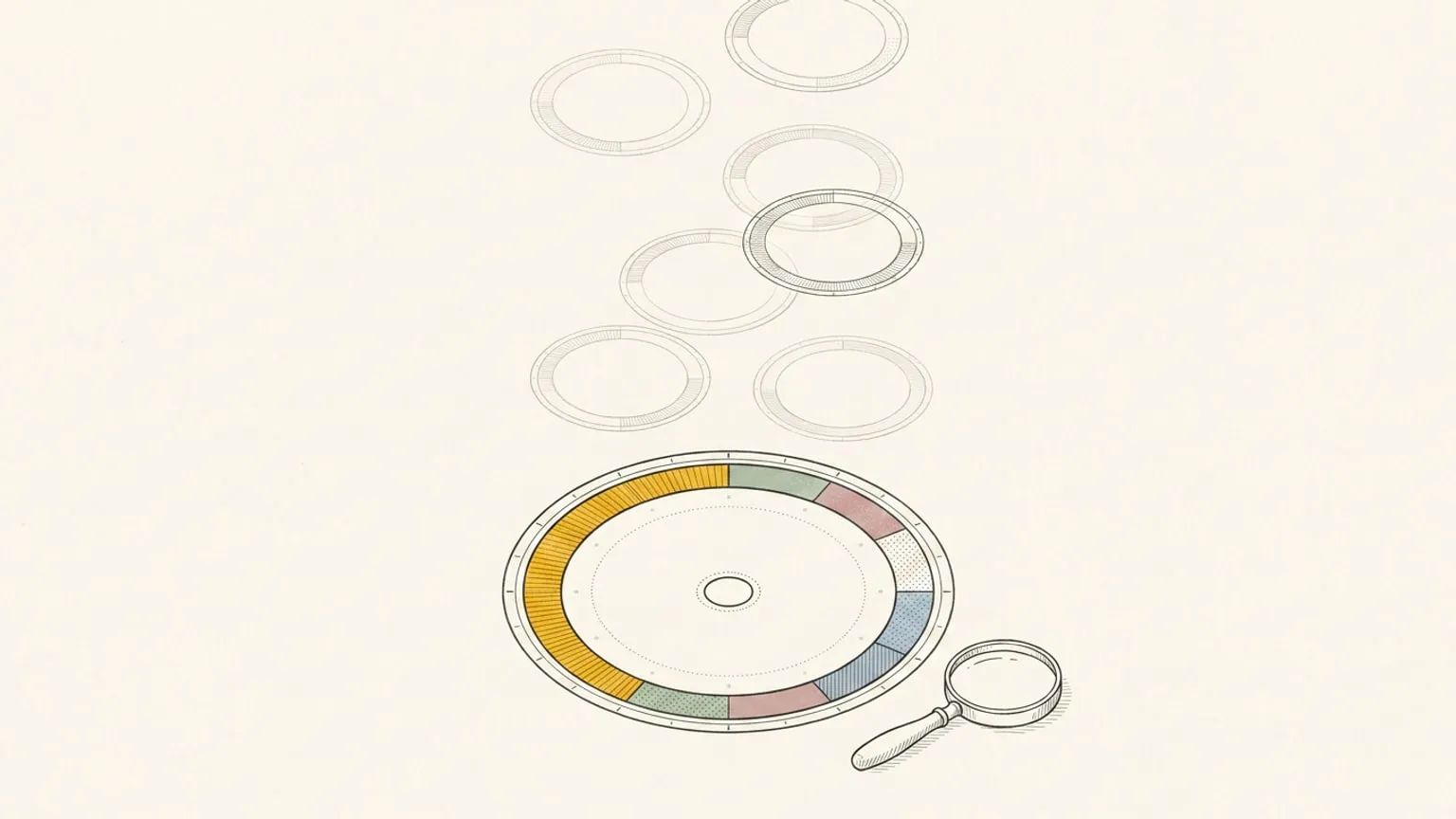
Every planner that draws the day as a circle, compared honestly with US store prices and a checked-on date. Platforms, prices, and what each dial does.
Read →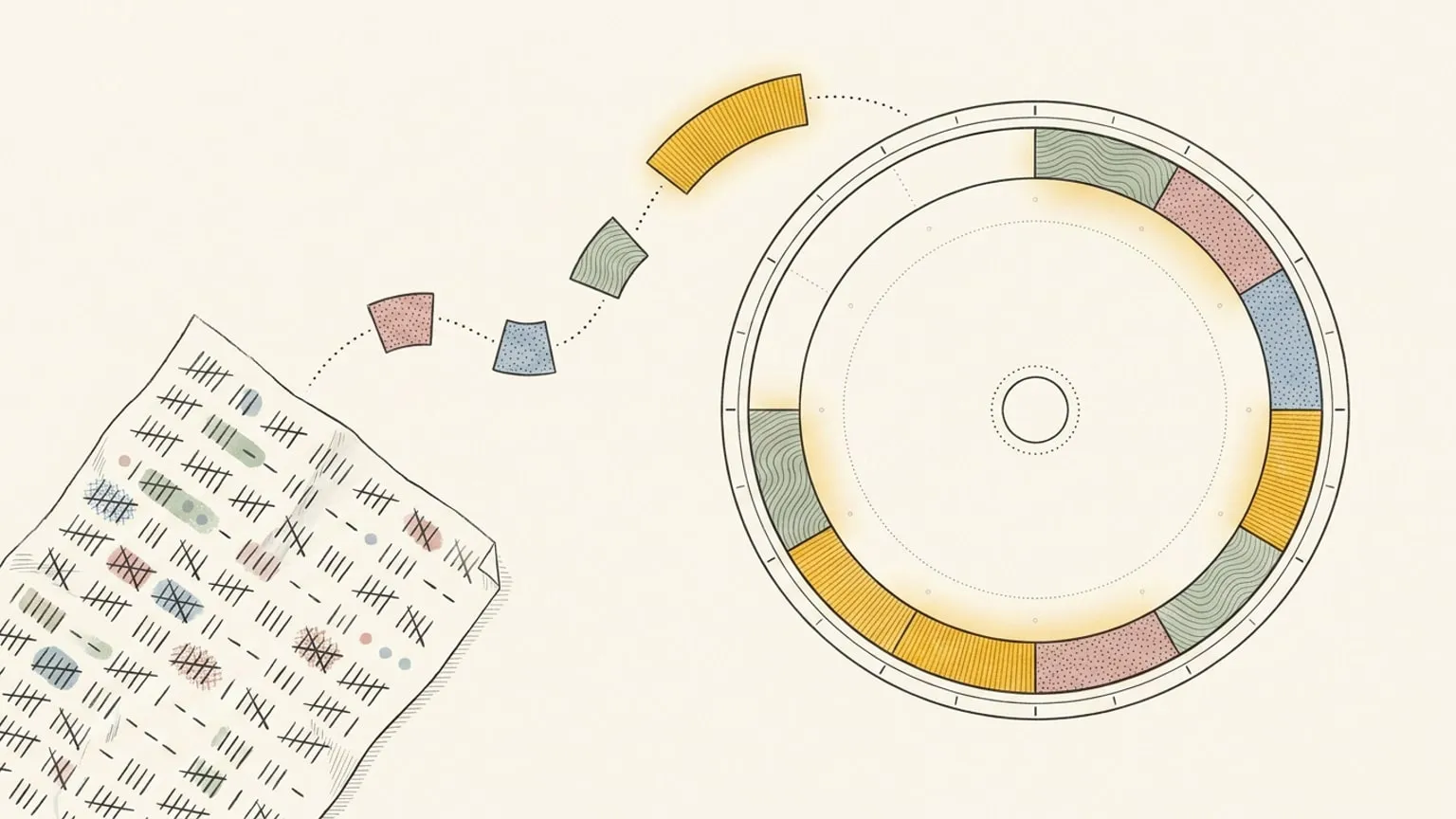
Paste a brain dump into ChatGPT or Claude, connected to Reassign over MCP, and it places each line on your real day. Every change comes with an undo.
Read →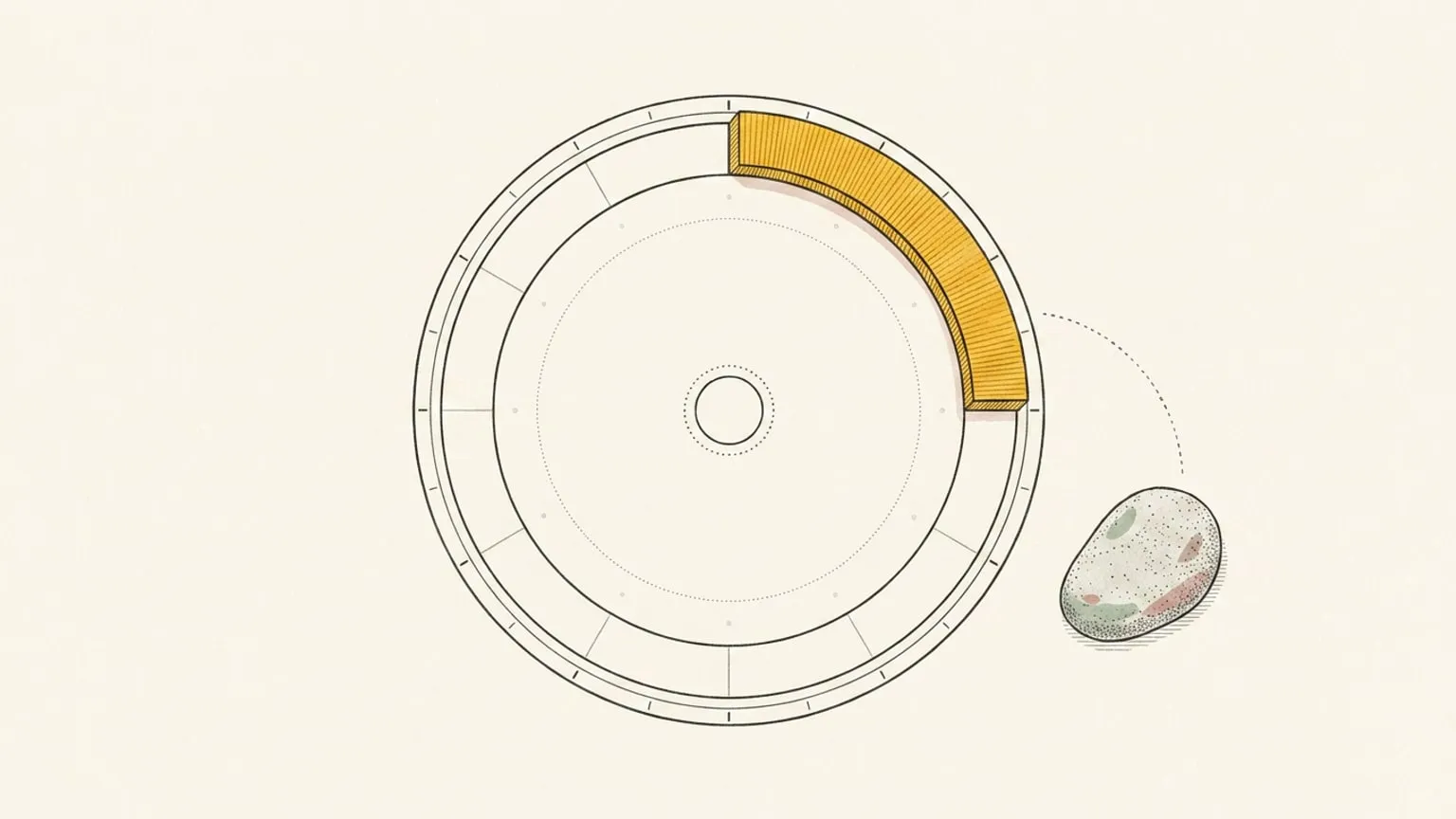
Time blocking answers when, body doubling answers how you stay in it. The techniques for pairing the two ADHD strategies, with a recipe that needs no new tools.
Read →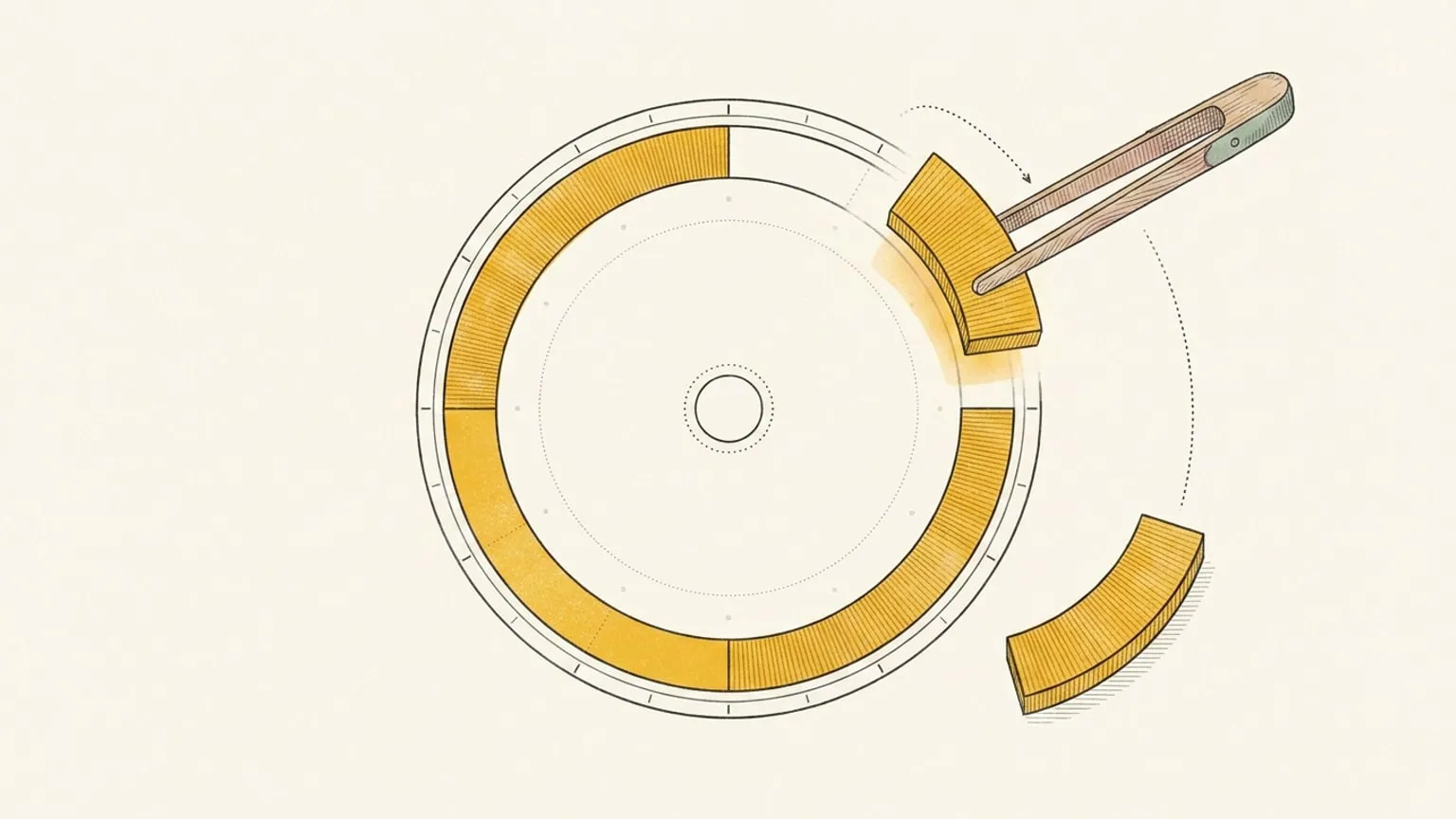
The best body doubling apps for ADHD, compared honestly: Focusmate, FLOWN, Deepwrk, Caveday, Study Together, and free study-with-me streams. Prices checked.
Read →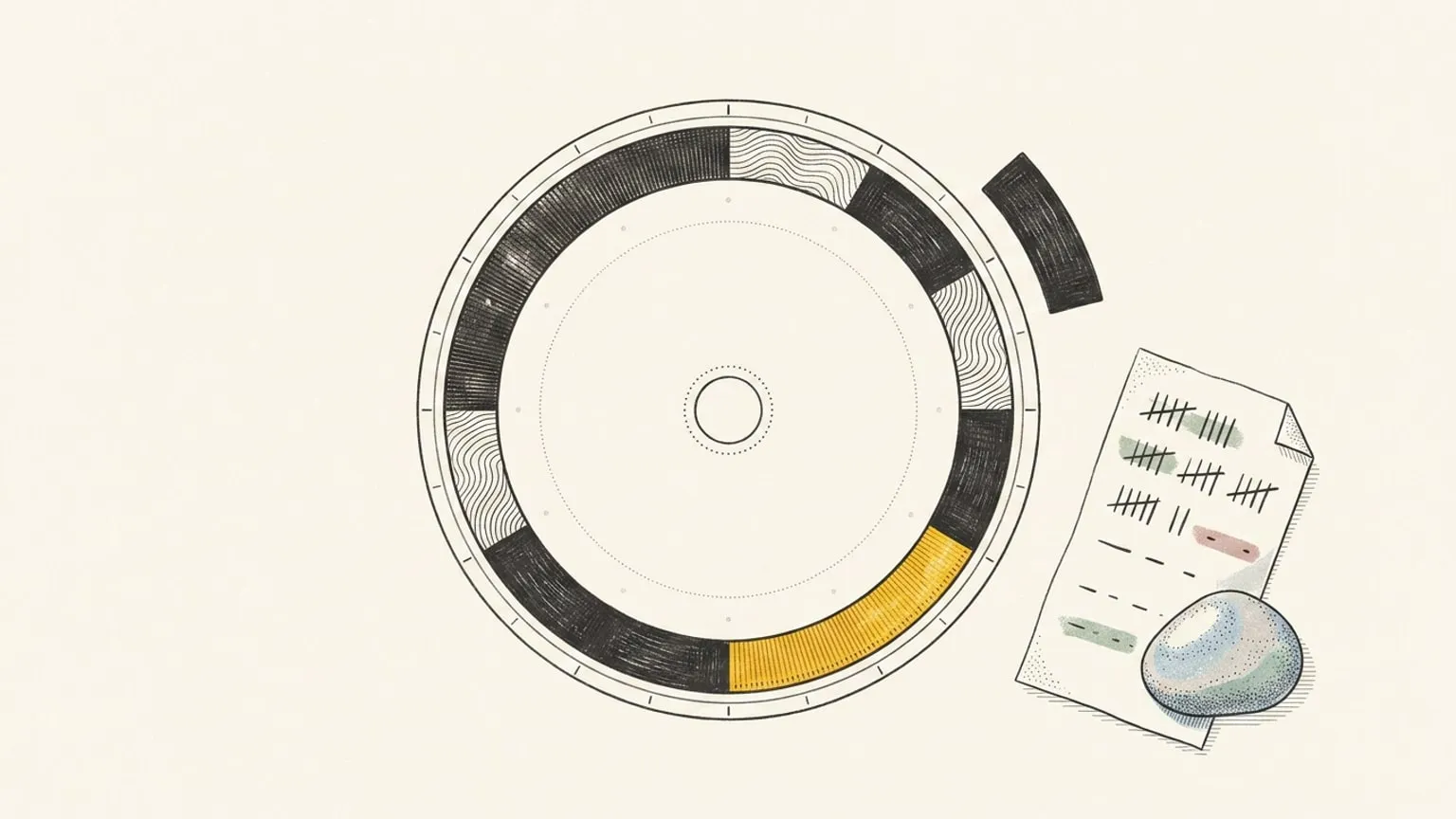
An honest Goblin Tools alternative, from someone who built one. Where Goblin Tools wins, where steps on a 24-hour dial win, and how to tell which you need.
Read →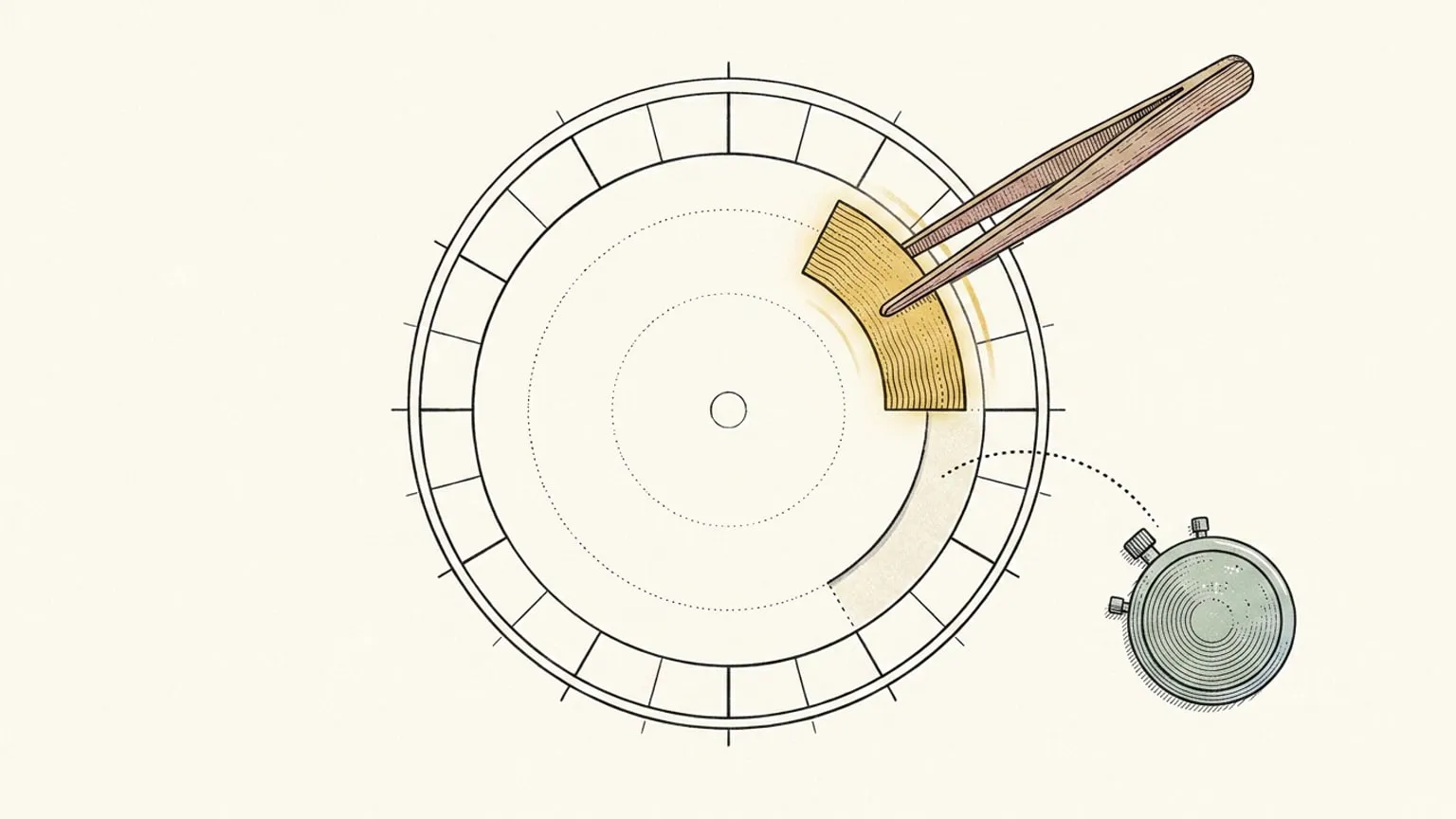
An honest Routinery alternative, from someone who built one. Where the guided routine timer wins, where a 24-hour dial wins, and how to tell which is yours.
Read →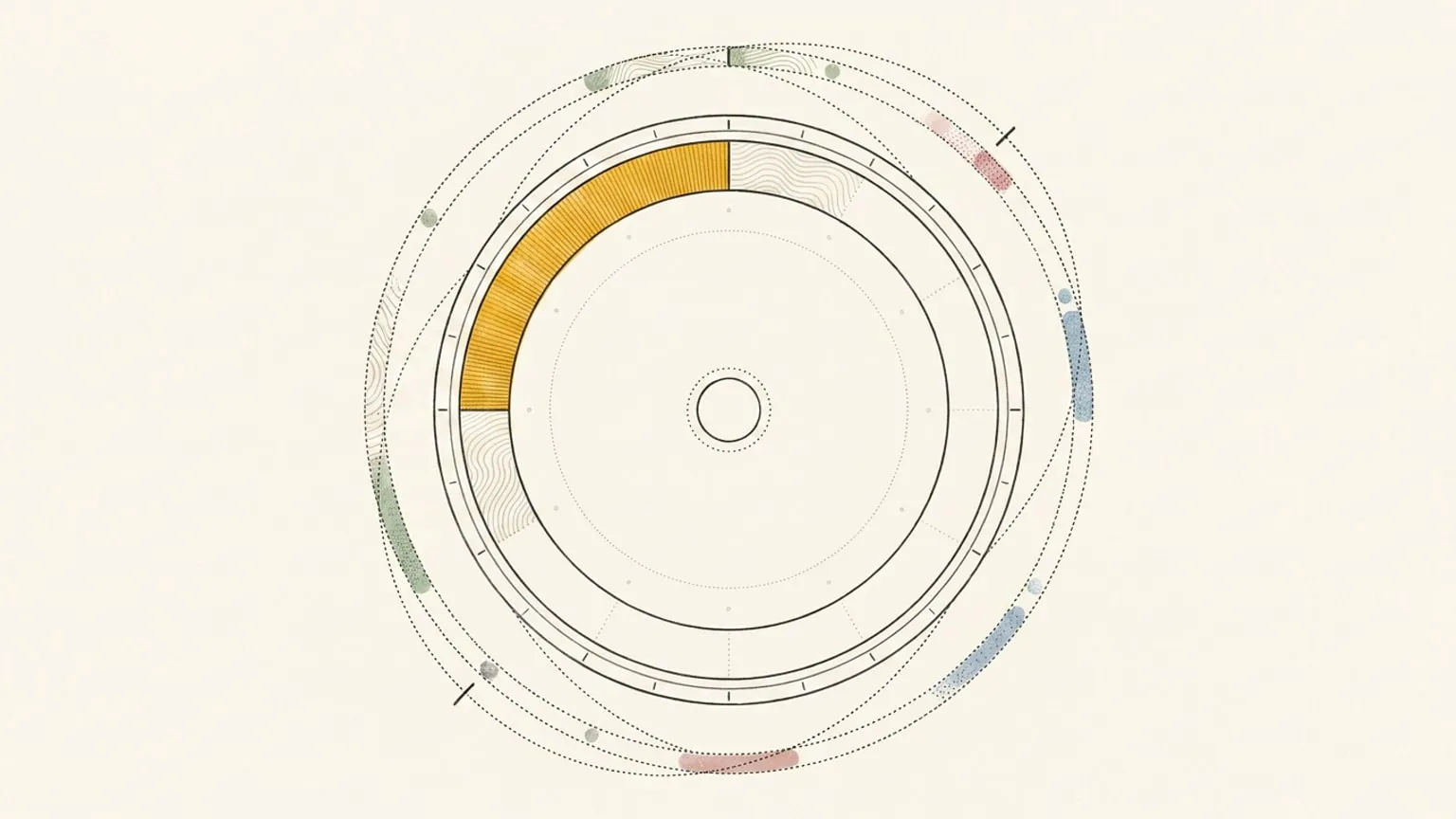
Tiimo vs Structured, compared from first-party pages in August 2026: platforms, free tiers, prices, AI, calendars, MCP, streaks, and who should pick which.
Read →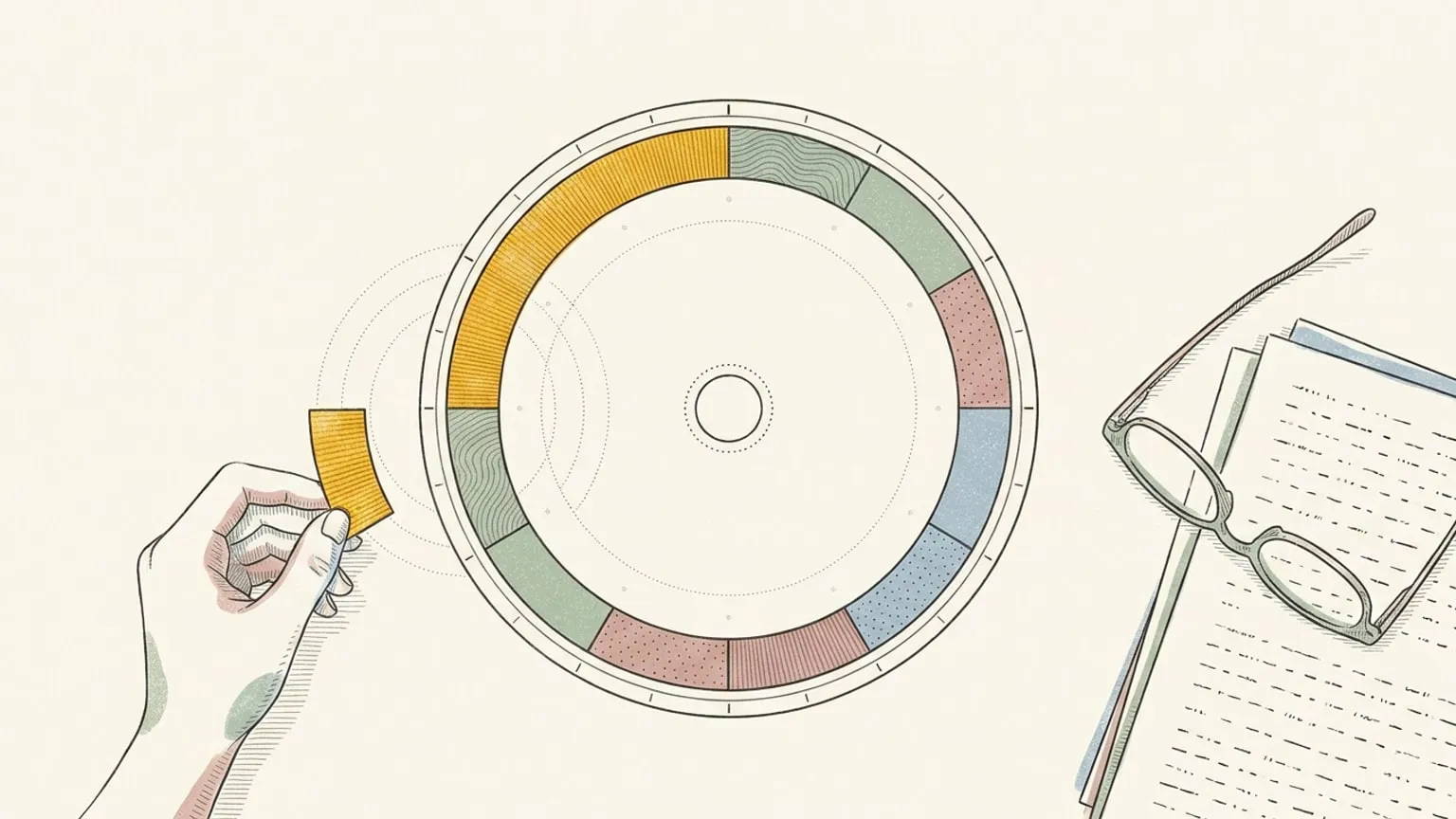
What is body doubling? Working beside another person so you start and stay on task. The evidence, graded honestly, the forms it takes, and how to set one up.
Read →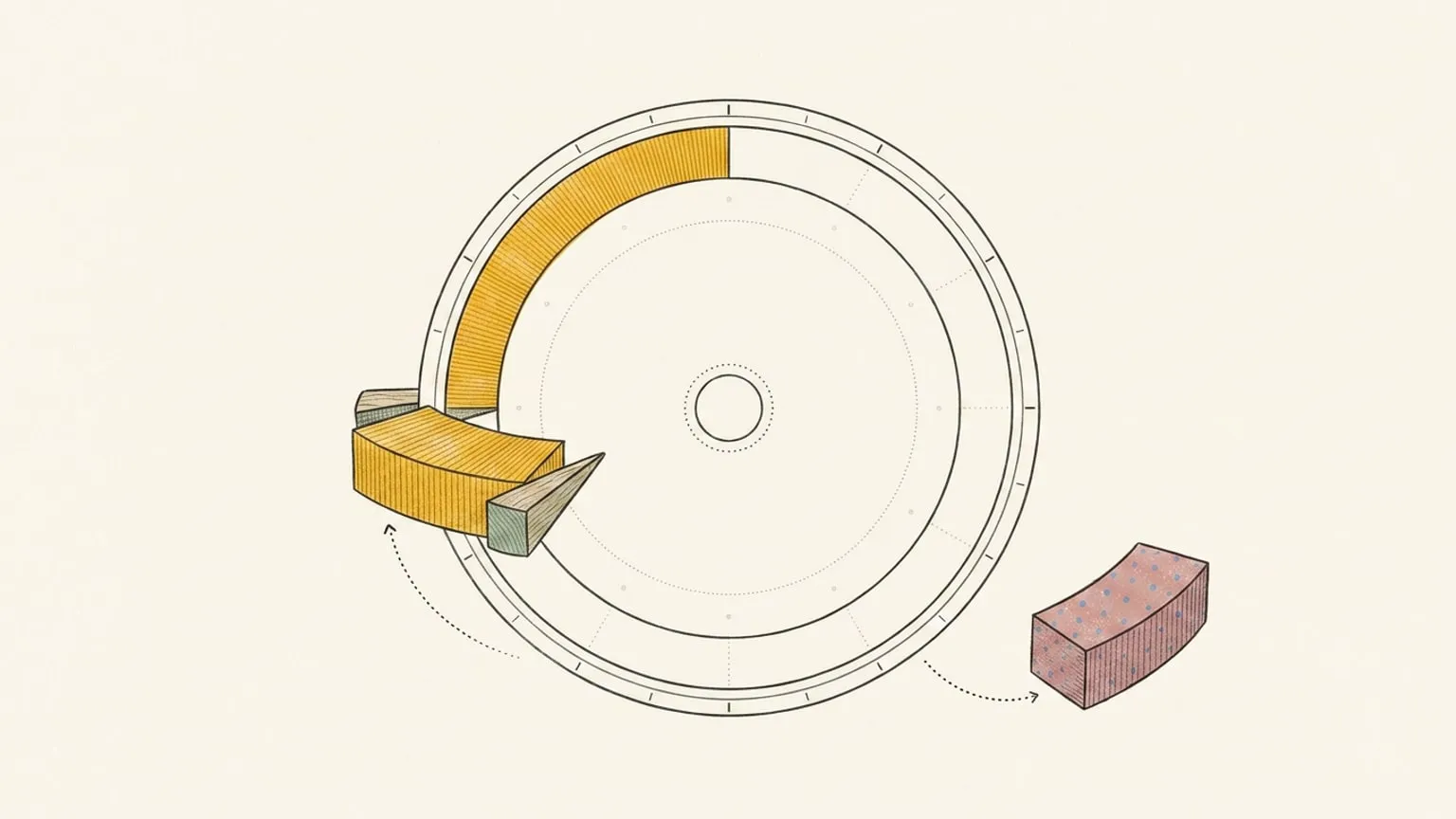
ADHD activation is the energy it takes to cross from still to moving: the switch that will not flip on demand. What task activation is, and how to lower it.
Read →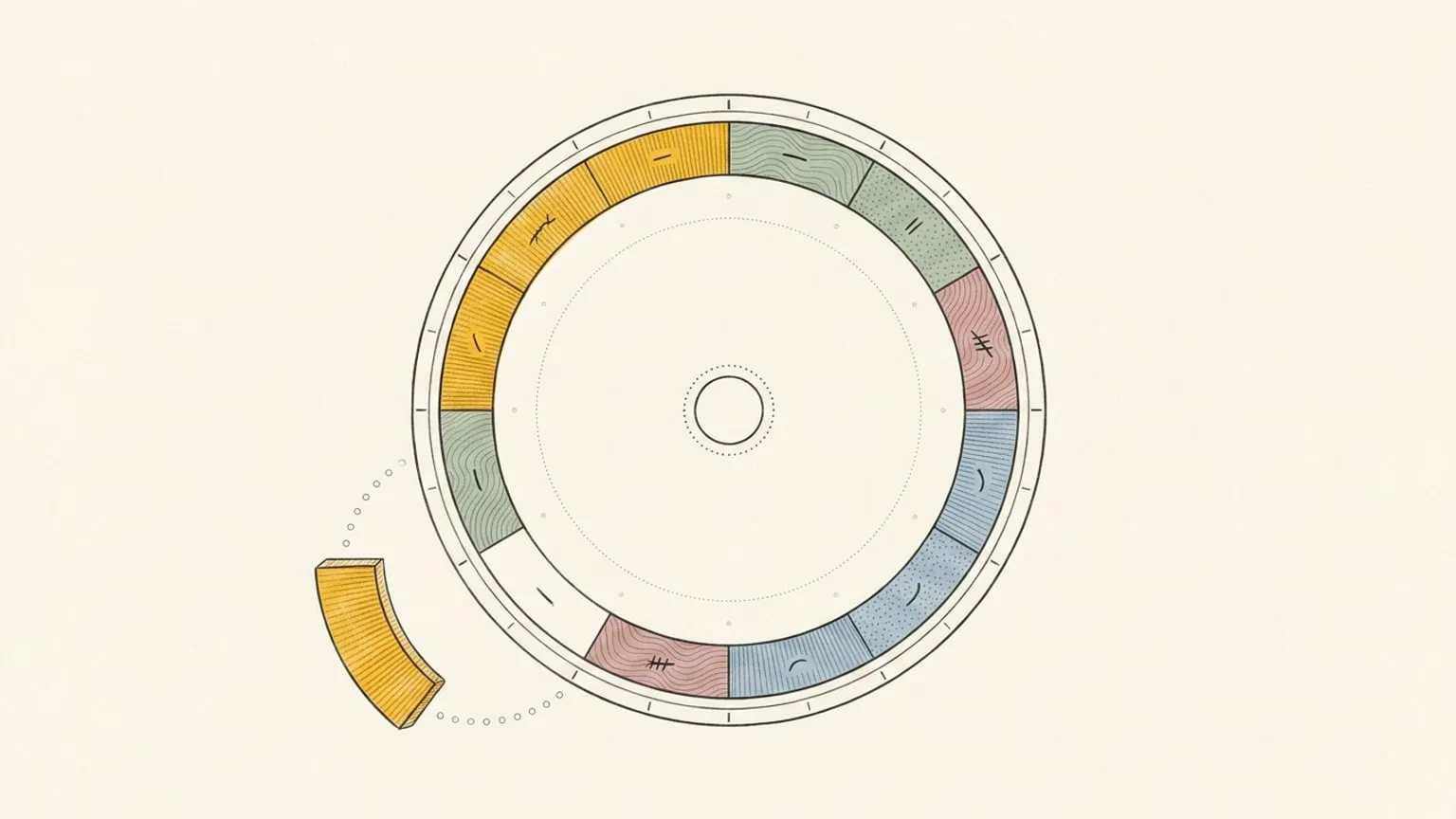
ADHD decision fatigue advice counts your choices. The real cost is re-deciding the same six all day. Why a schedule retires a decision and a list reopens it.
Read →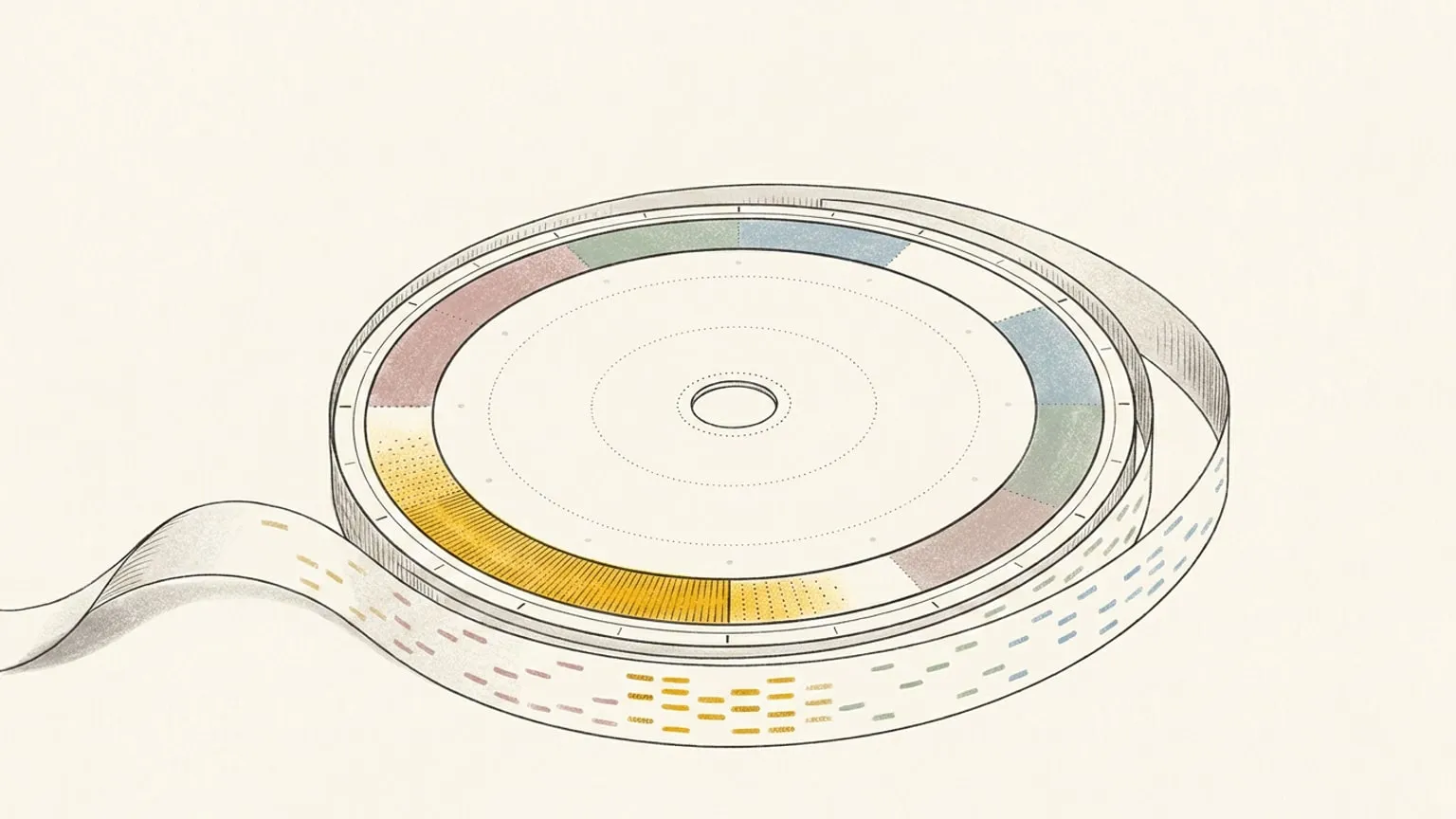
Spoon theory tells you how much energy you have, never when. How the circadian curve and sleep pressure set your ADHD peak hours, and how to find yours.
Read →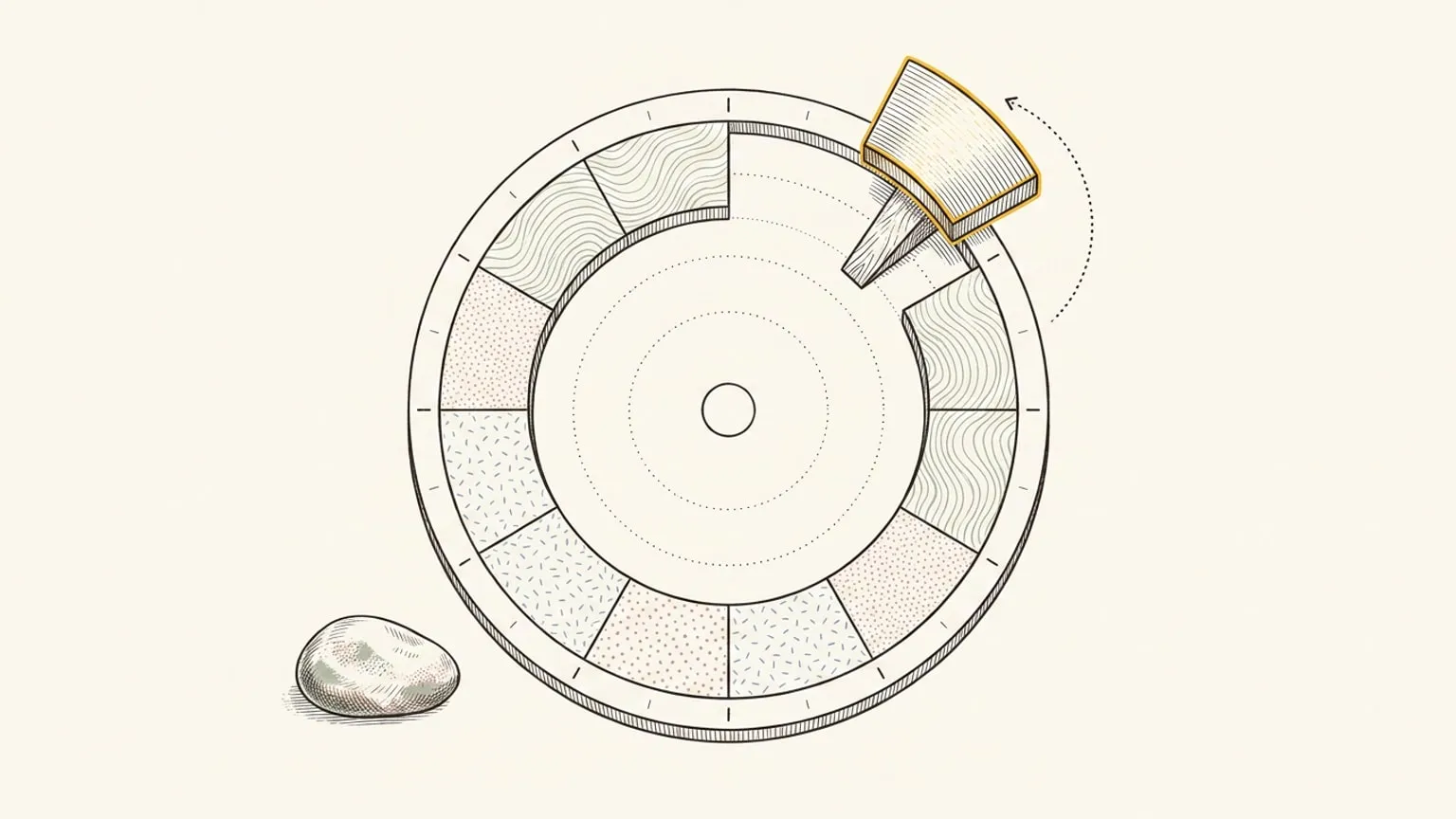
Routines fail with ADHD because they run on memory instead of cues. The real habit timeline, if-then plans, and how to build a routine you can see.
Read →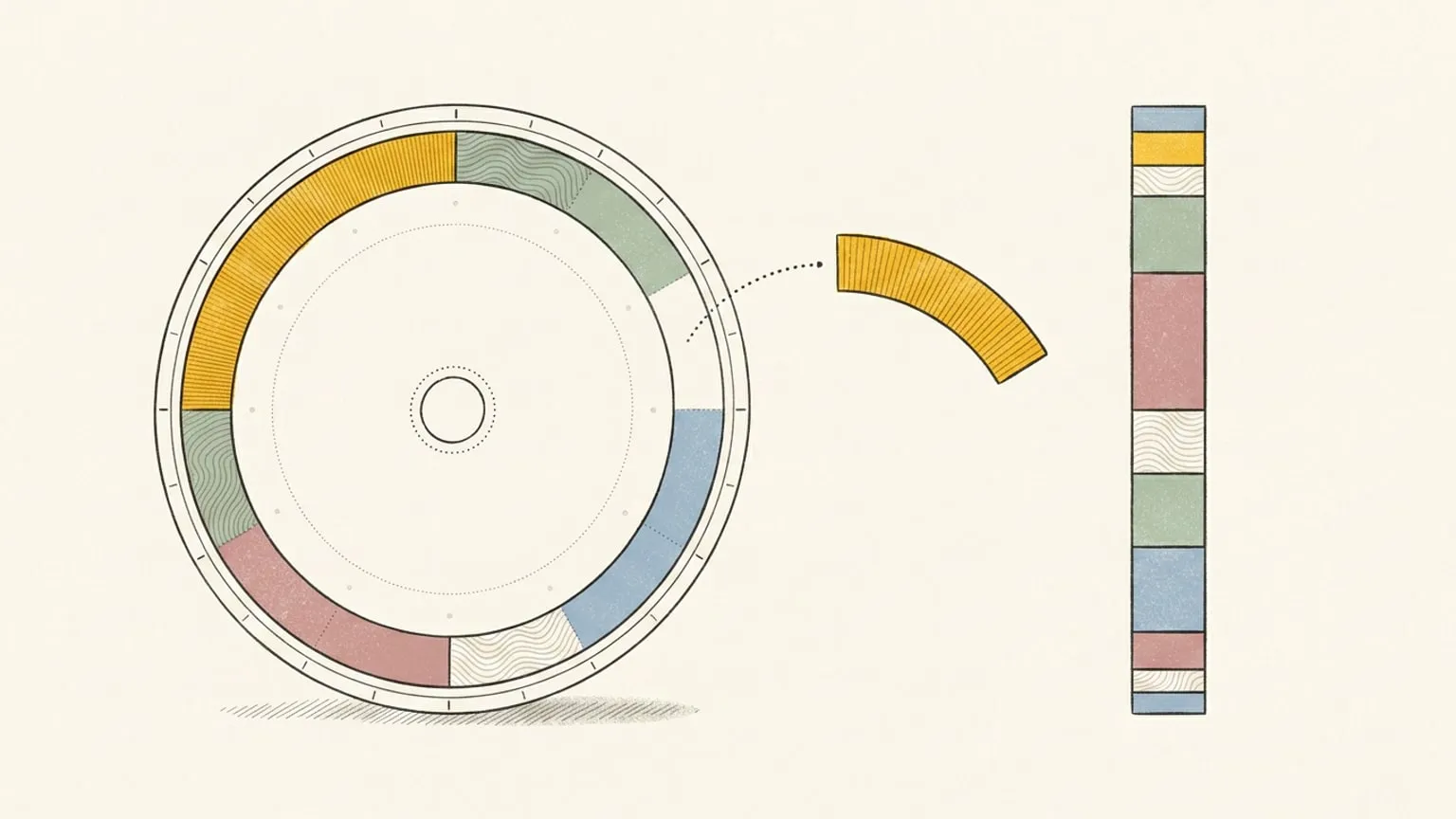
An honest Structured alternative, from someone who built one. Where Structured wins on price and platforms, and where a 24-hour circular planner wins.
Read →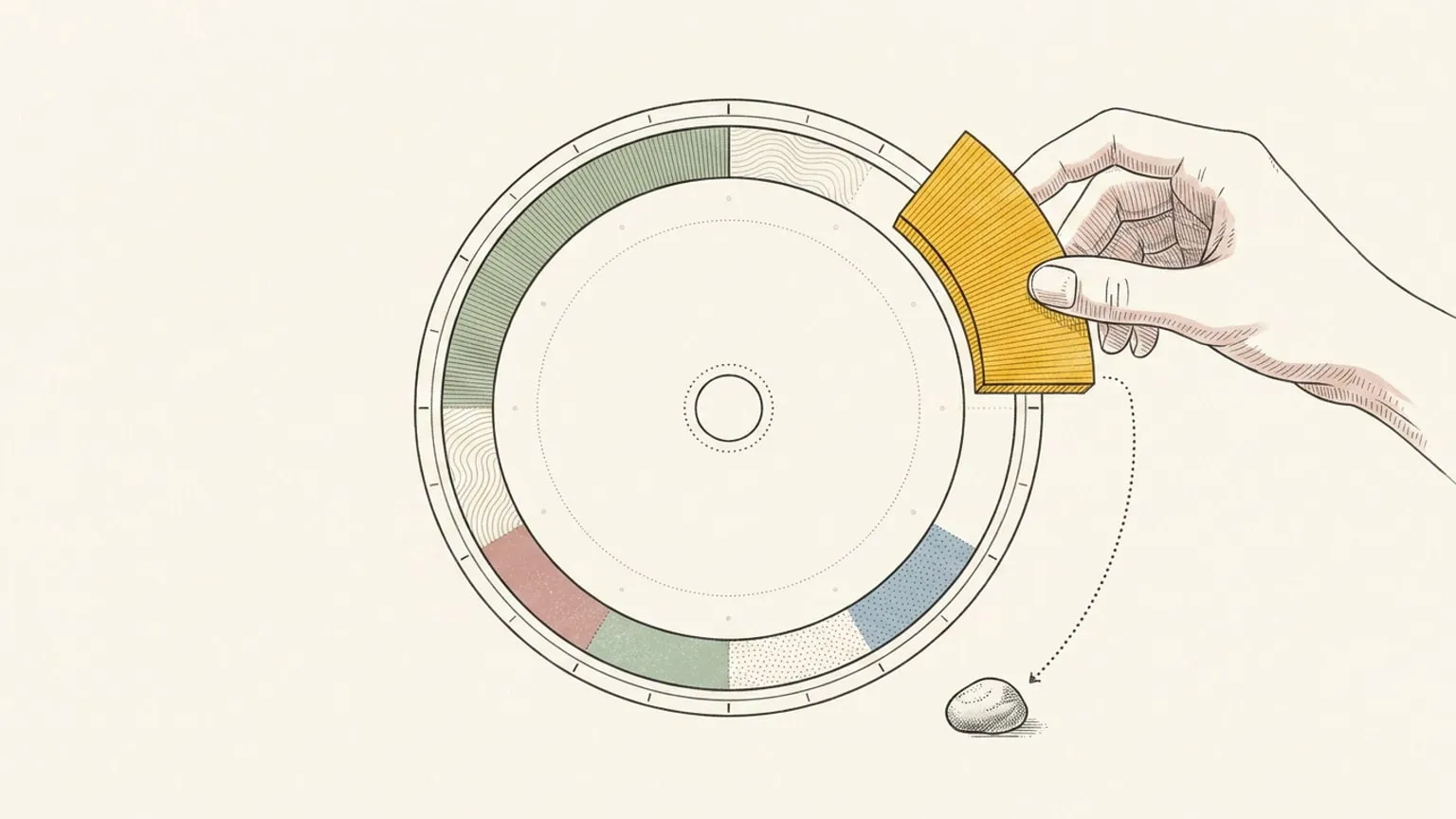
Task initiation is an executive-function failure, not laziness. Why starting tasks feels impossible with ADHD, and five strategies that help you begin.
Read →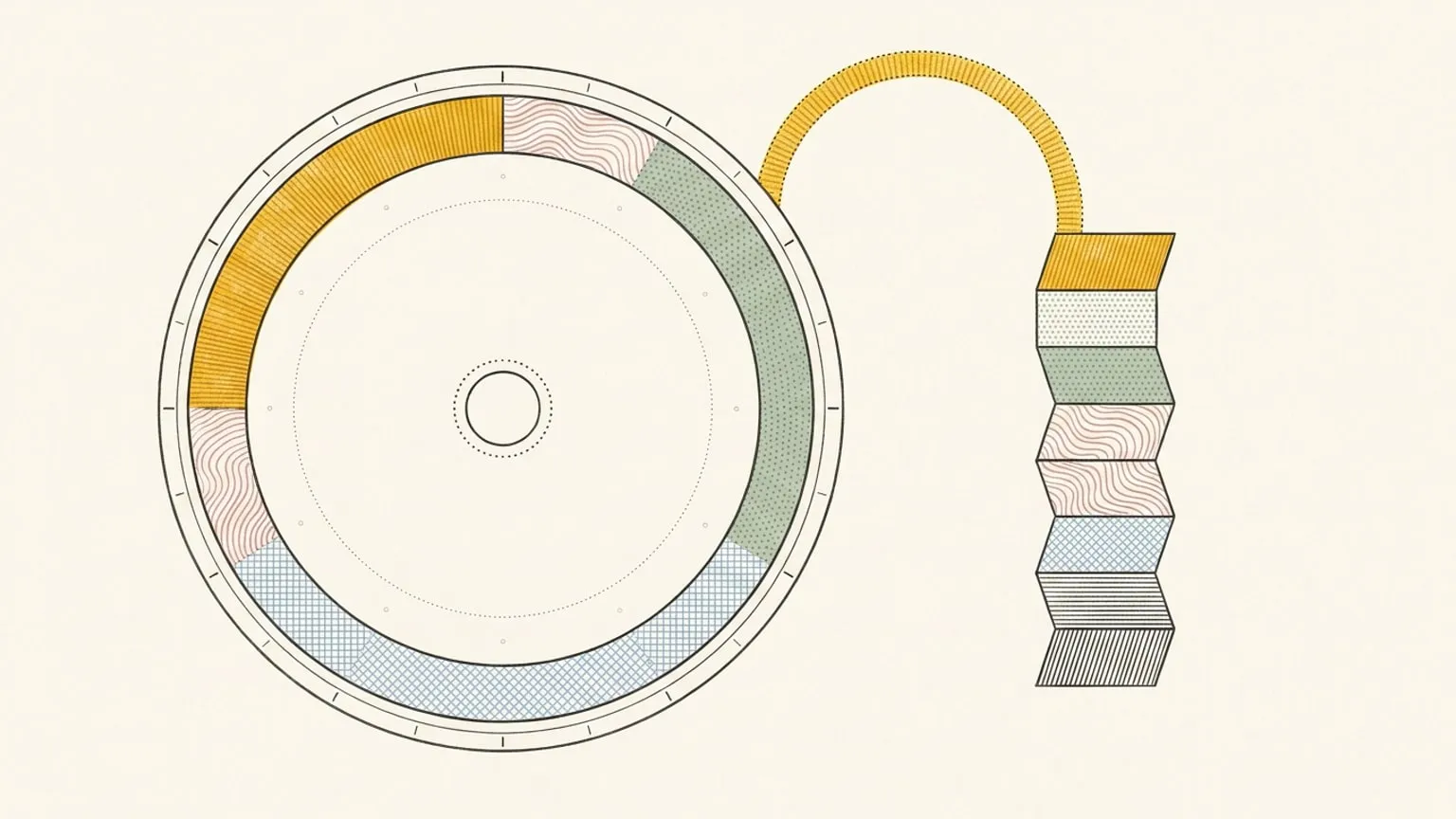
An honest Tiimo alternative, from someone who built one. Where Tiimo wins, where a 24-hour circular planner wins, and how to tell which failure mode is yours.
Read →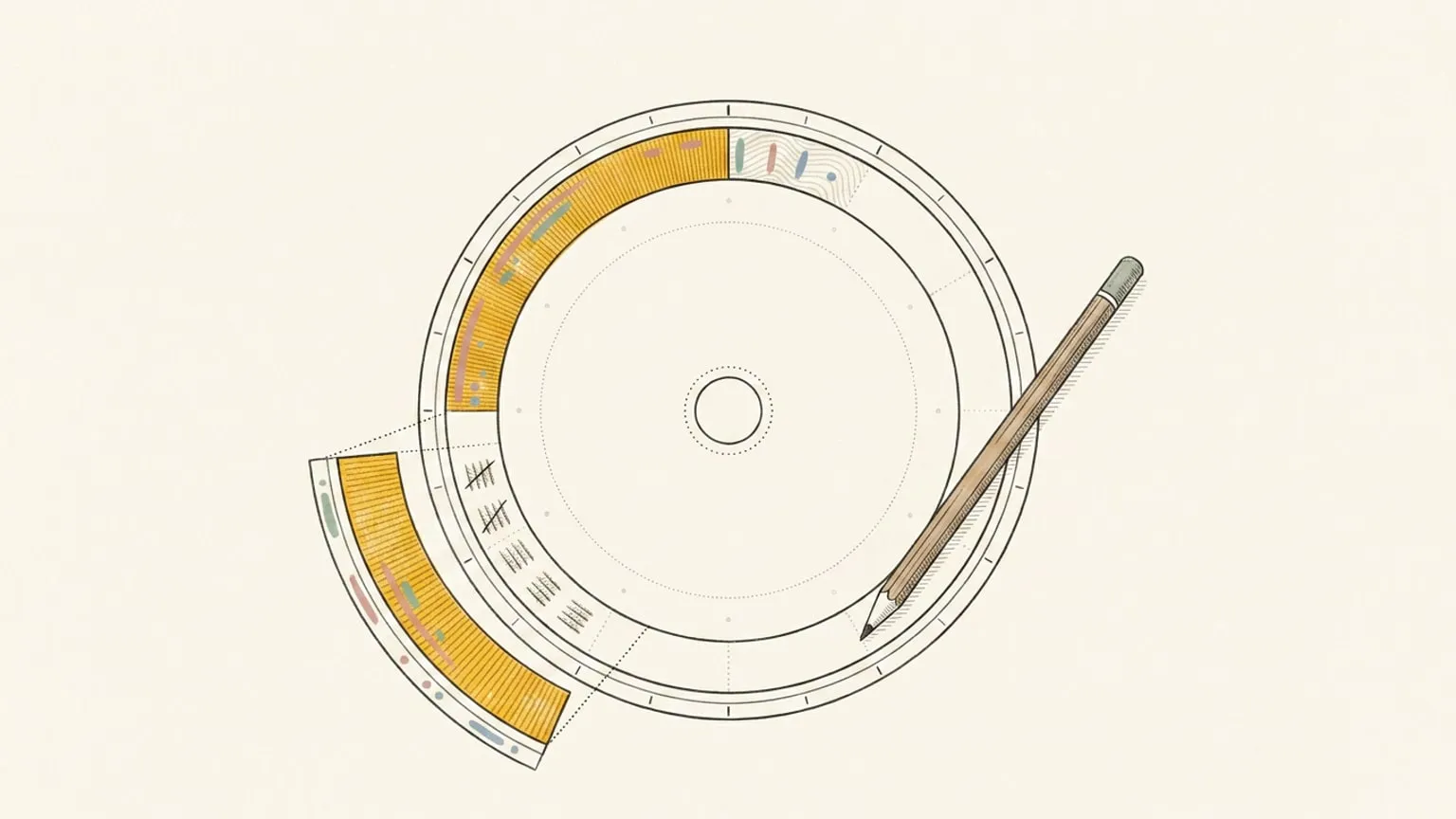
Break a task down into microtasks inside the block you already planned: an ordered checklist on Reassign's 24-hour dial, written by hand or drafted with AI.
Read →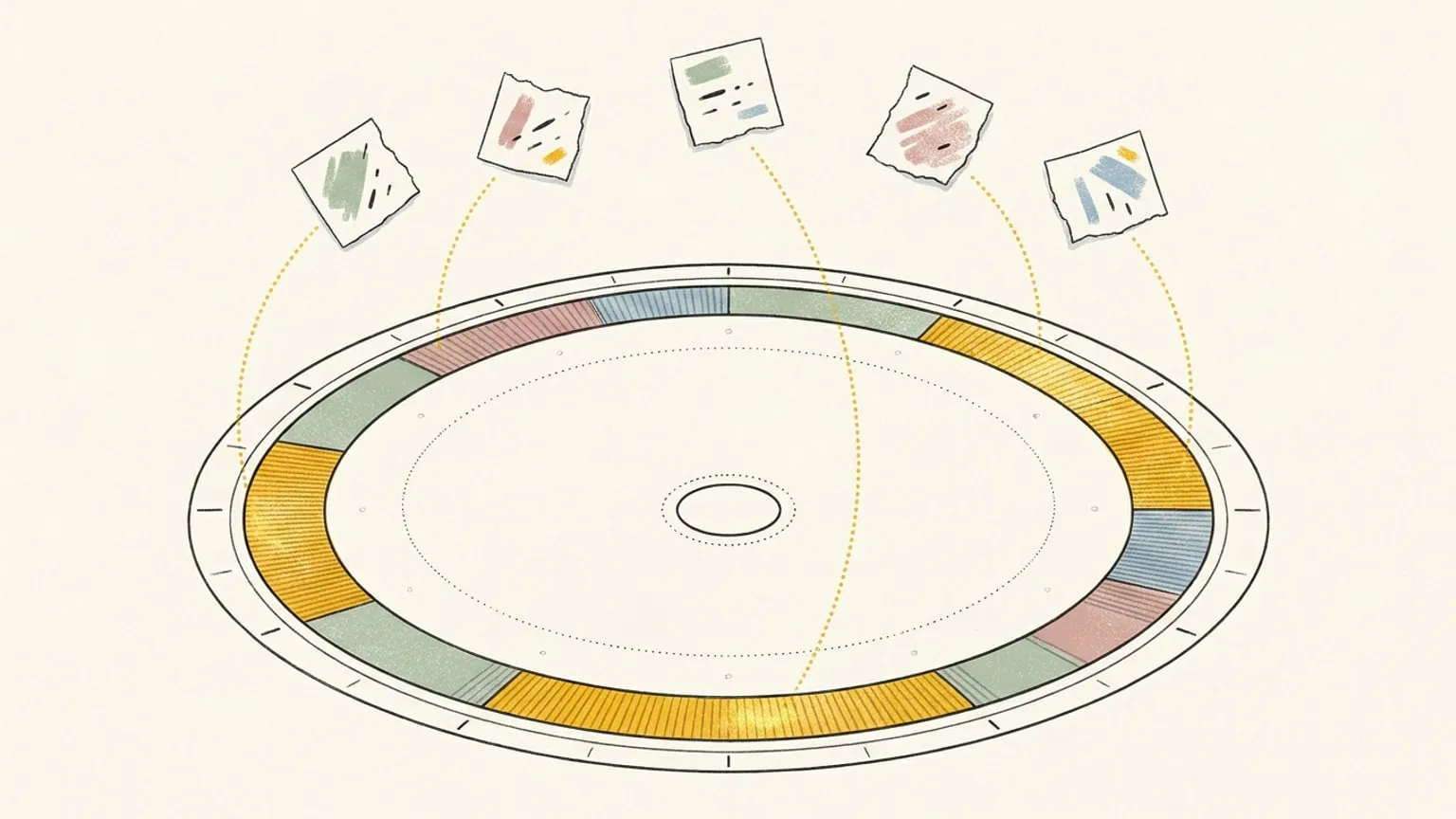
Turn a messy brain dump into a real day: dump one thought per line into Reassign's command palette and get back an editable plan you refine by replying.
Read →
New ADHD planner apps work for two weeks, then die. What kills them when the novelty runs out: daily upkeep, the fiddle trap, and guilt mechanics.
Read →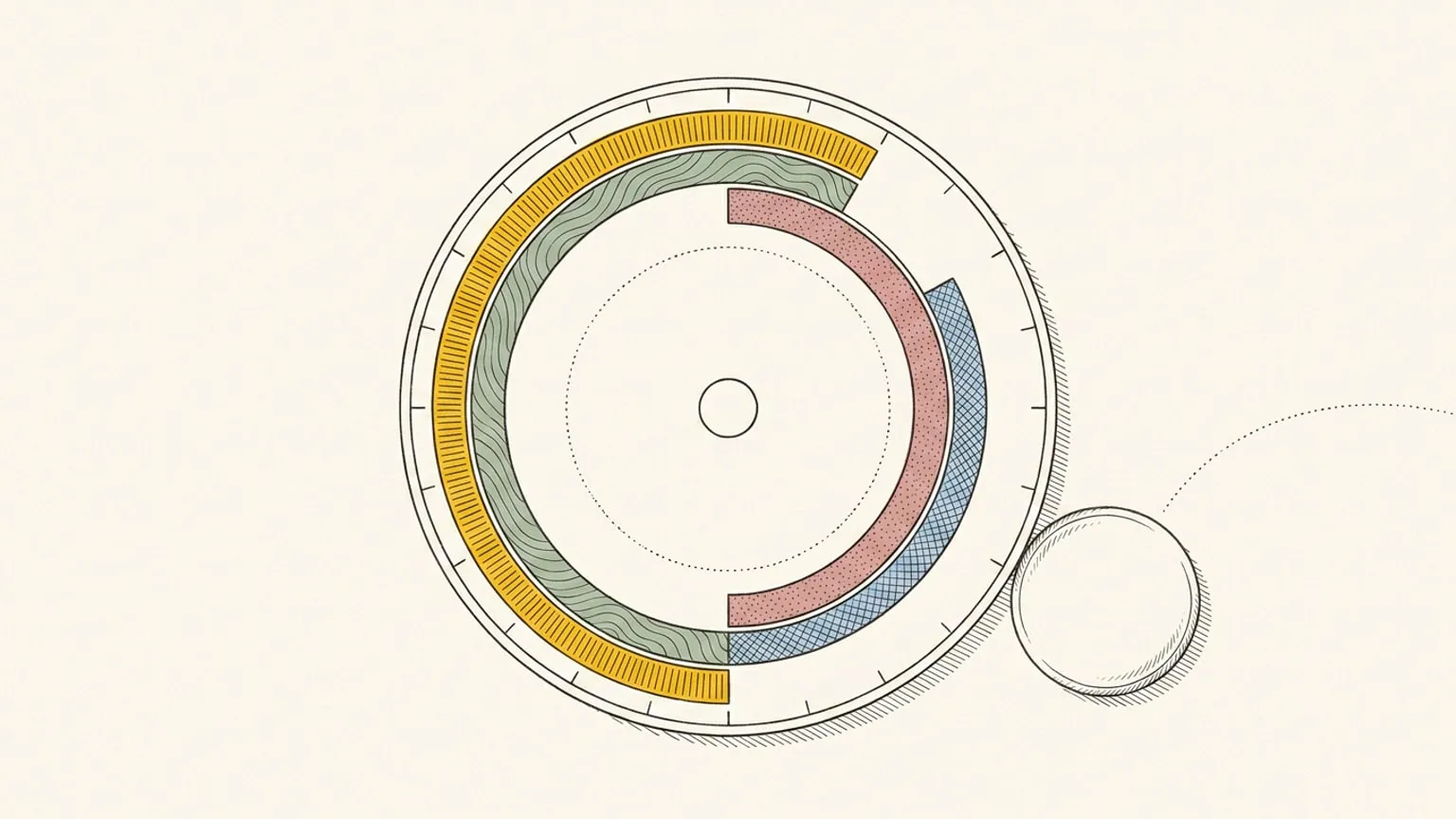
A CHIWORK 2026 study coded 3,276 r/adhd comments about working from home. Body doubling beat every other focus strategy. Here is the full ranking.
Read →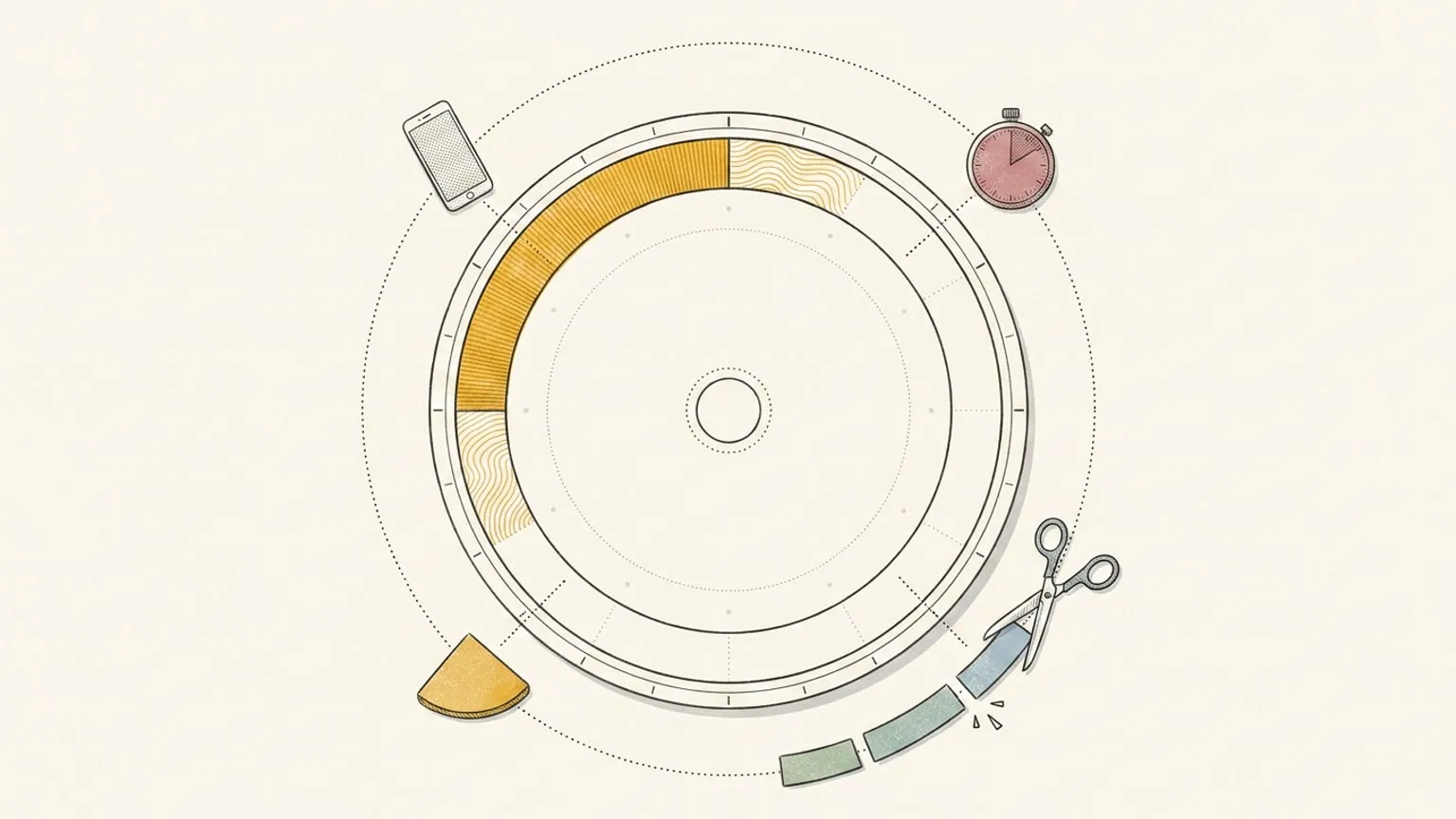
The best apps for time blindness show time as a shape, not a list. Visual planners, visual timers, and task breakers compared honestly. Including ours.
Read →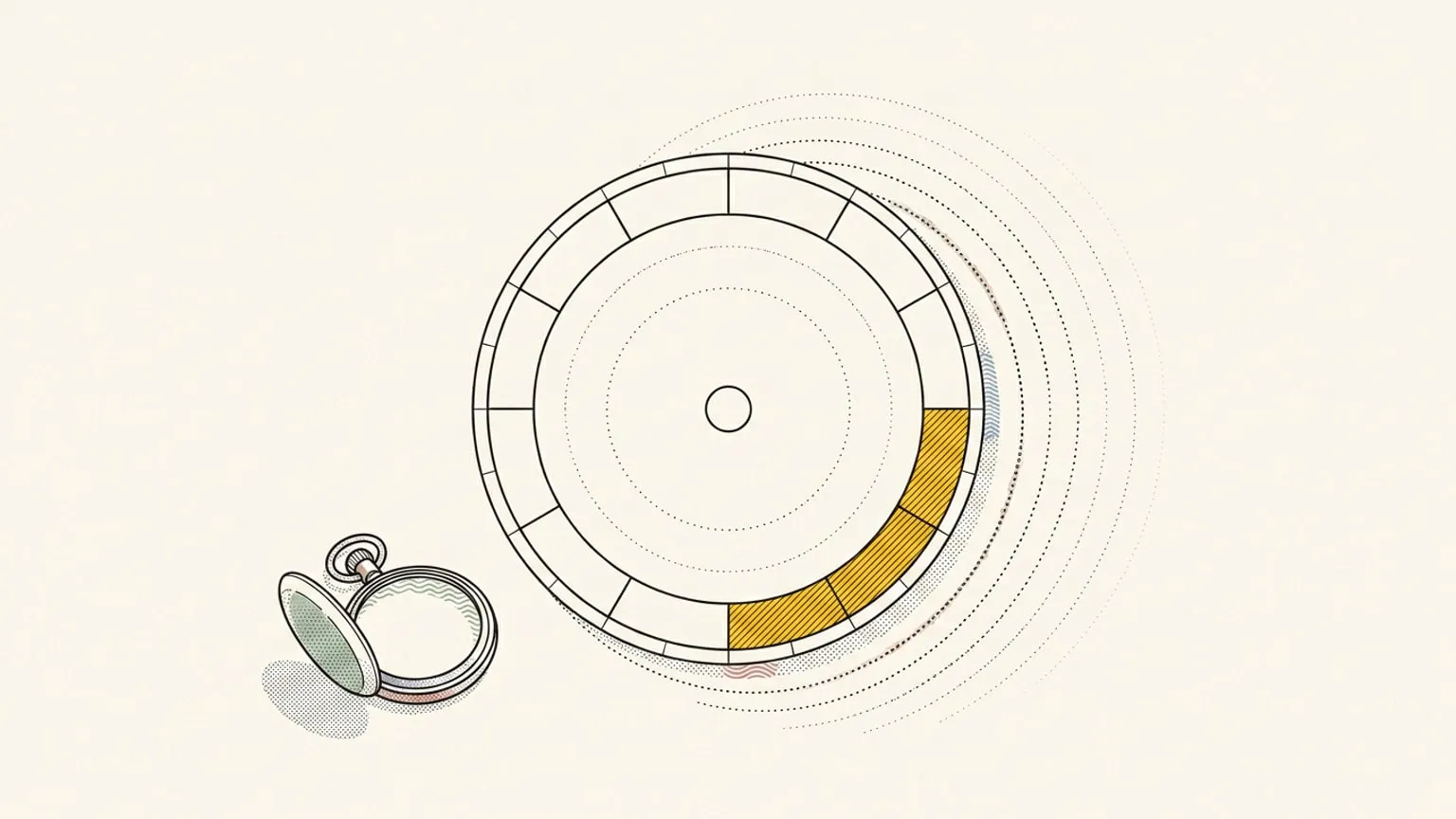
Time blindness: when you cannot feel time passing. What it is, why you have no sense of time, whether there is a test, and how to make time visible.
Read →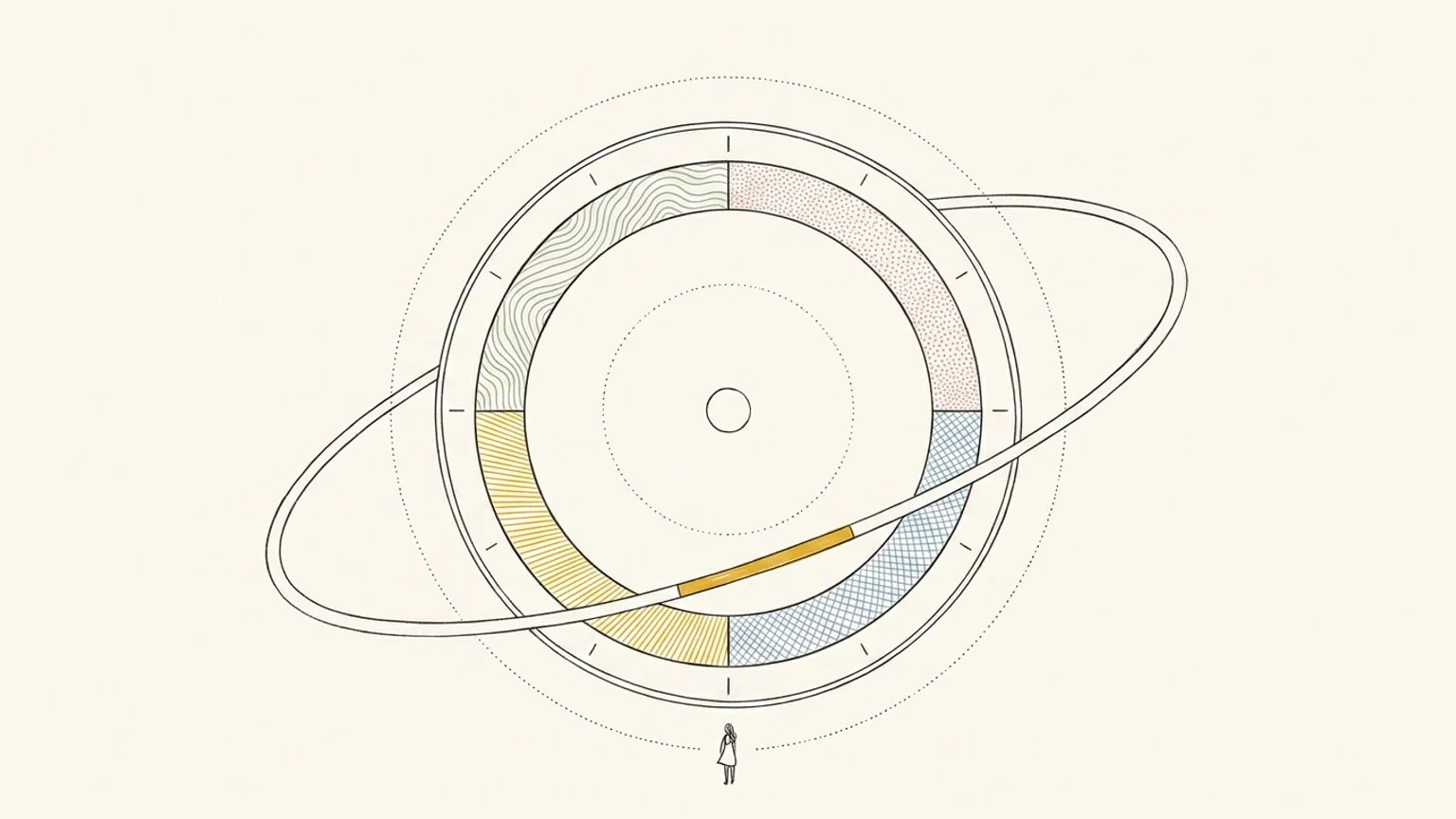
Some see the year as a ring and the day as a clock face. What spatial-sequence synesthesia is, where ADHD fits in, and why analog clocks feel different.
Read →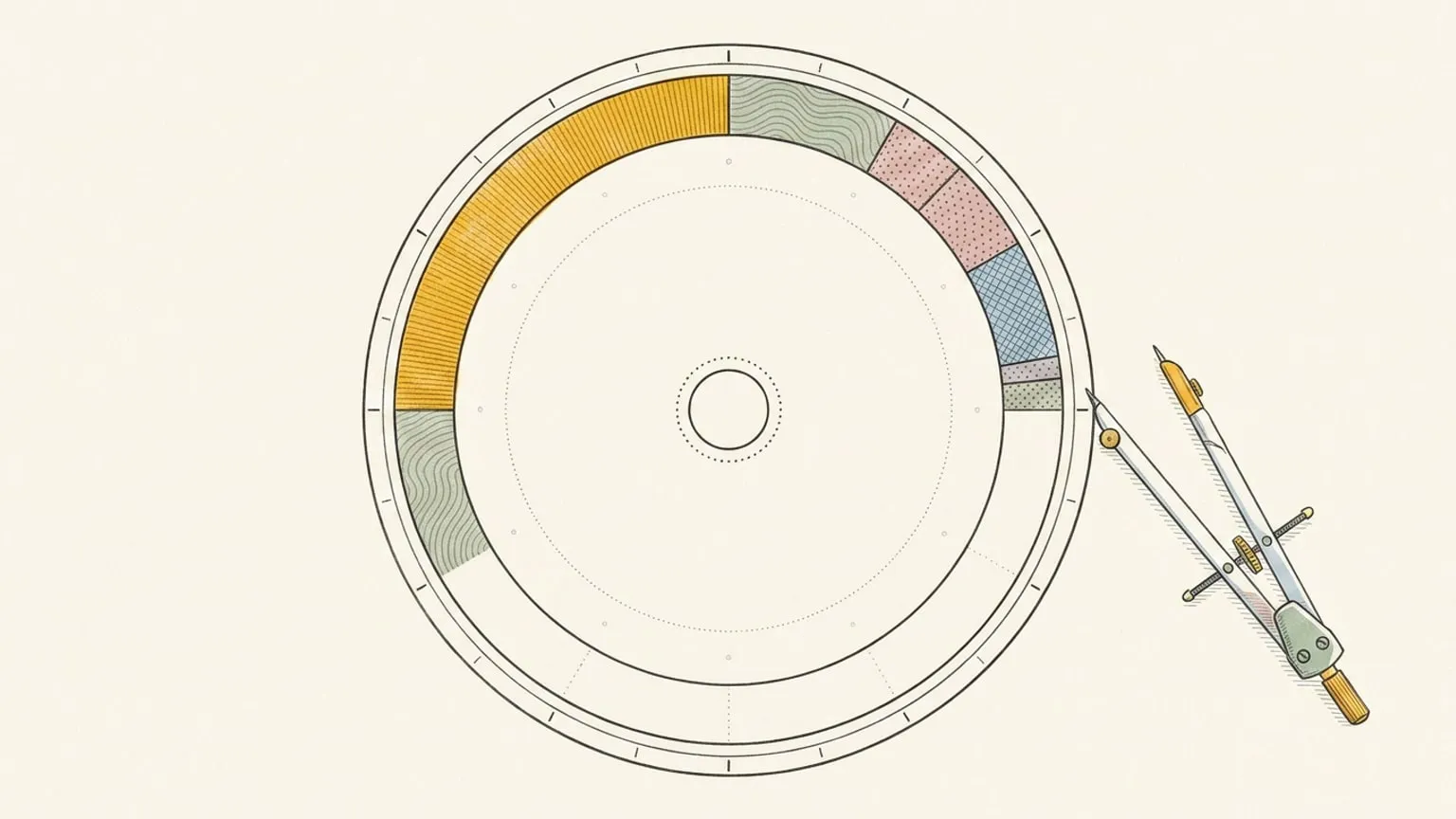
A chronodex is a planner drawn as a clock face: hours as sectors, tasks as shaded wedges. What it is, how to use one, where paper runs out, and the app version.
Read →
ADHD brains struggle with linear lists and time blindness. A 24-hour circular planner makes time visible as shape, so you see your day instead of reading it.
Read →